
What Is The Difference Between Todo Village And Wae Rebo Village
- account_circle admin
- calendar_month 4/06/2026
- visibility 1
- comment 0 komentar
- label Waerebo
What Is The Difference Between Todo Village And Wae Rebo Village? The Surprising Truth Most Travelers Miss!
When planning a cultural trip to Flores, you will almost certainly come across Todo Village and Wae Rebo Village. Both are iconic traditional settlements of the Manggarai people, both feature the famous cone-shaped Mbaru Niang houses, and both carry centuries-old heritage. Yet they are far from identical. One was once the center of a powerful kingdom, the other is known as “the village above the clouds” hidden deep in the mountains. Many visitors think they are almost the same, but once you dig deeper, every detail—from history, location, architecture, lifestyle, to accessibility—sets them completely apart. If you have ever wondered exactly what makes them different, or which one suits your travel style better, this complete breakdown will clear up every confusion and help you choose the perfect destination.
Geographical Location and Accessibility: Easy Visit vs Epic Trek
Where Exactly Are They Situated?
Todo Village, also known as Compang Todo, sits in a wide, fertile valley in the heart of Manggarai, roughly 15 kilometers from Ruteng, the regency capital. It lies at about 800–900 meters above sea level, surrounded by rice fields and rolling hills. Roads here are paved and well-maintained, meaning you can drive right up to the village entrance in a regular car or motorbike. There is no hiking required, making it very accessible for all ages and fitness levels.
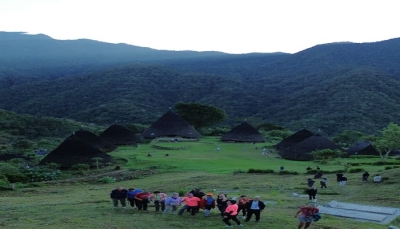
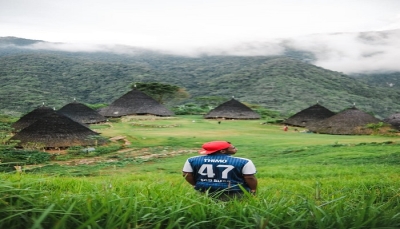
Wae Rebo, on the other hand, is located deep within the Satar Mese mountains, at an altitude of around 1,100–1,200 meters, often shrouded in mist and clouds, hence its famous nickname. It is roughly 50 kilometers from Ruteng and about 140 kilometers from Labuan Bajo. To reach it, you first travel by vehicle to Denge or Dintor Village, then hike 2.5 to 3 hours through dense forests, steep slopes, and beautiful valleys. There is no road leading directly into the village, and the journey is part of the whole experience. According to details shared by waerebotrip.com, “The trek is not too difficult but requires good stamina, and along the way you will see waterfalls, wild orchids, and breathtaking views that make every step worth it.”
Cost and Time Required to Visit
Because Todo is so easy to reach, it is much more economical and faster. You can visit in just 2–3 hours as a stopover on the way to Ruteng or other destinations. Entrance fees are low, and you do not need a guide unless you want a detailed cultural explanation.
Wae Rebo takes more planning, time, and budget. Most people spend 2 days and 1 night, including transport, trekking, guide, meals, and accommodation. As noted in travel reports from jelogilis.com, “A complete package from Labuan Bajo usually costs between IDR 1,700,000 and IDR 2,000,000 per person, covering everything you need for a safe and comfortable trip.” This makes Wae Rebo a bigger investment, but also a far more immersive adventure.
History and Origin: Royal Heritage vs Remote Settlement
Todo Village: The Ancient Kingdom Center
Todo is historically the most important and oldest traditional village in Manggarai. It was the capital and royal seat of the Todo Kingdom, which once ruled over a vast territory stretching from the edge of Sape Strait in the west to the borders of Ngada in the east. Oral traditions say the ancestors came from Minangkabau in Sumatra, migrating centuries ago and establishing their power here. Because of its status as a kingdom center, Todo was always open to outside influences, trade, and political relations, which shaped its development and architecture over time.
Many original structures were built to reflect authority, with larger, more elaborate houses, and the village layout was designed to show hierarchy and power. Even today, you can still see traces of its glorious past—ancient stone altars, former royal residences, and sites where important ceremonies were held.
Wae Rebo: The Hidden Mountain Sanctuary
Wae Rebo’s history is one of isolation and preservation. Legend tells that ancestors led by Empo Maro came from the same origin, but chose to settle deep in the mountains after a spiritual vision guided them here. For centuries, the village remained almost entirely cut off from the outside world, which is exactly why its traditions, architecture, and way of life have stayed almost unchanged for hundreds of years. It was only rediscovered and introduced to the wider world in the late 1990s, and in 2012 it received the UNESCO Asia-Pacific Heritage Award for Cultural Conservation, recognizing it as one of the best-preserved traditional villages in Southeast Asia.
While Todo was built to rule, Wae Rebo was built to survive, protect culture, and live in harmony with nature. Do you see how their different histories explain why they feel so different when you visit?
Architecture and Layout: Design, Shape, and Meaning
Similarities First: Mbaru Niang as the Core
Both villages use the iconic Mbaru Niang—tall, cone-shaped houses built entirely from bamboo, wood, palm leaves, and rope, with no nails used at all. Both are circular in arrangement, centered around a sacred stone altar called Compang, the heart of all rituals and community gatherings. But beyond this basic similarity, every detail changes.
Todo Village Architecture: Larger, More Varied, Evolving Style
Todo originally had houses similar to Minangkabau’s Rumah Gadang, with curved roofs, but over time adapted the cone shape while keeping royal features. The houses here are generally bigger, with higher roofs and more space, reflecting their status. You will find more than 20 traditional buildings, some restored, some still ancient, with differences in size and decoration depending on the family’s historical rank. The layout is wider, with open spaces, meeting areas, and separate buildings for different functions. Over generations, Todo’s architecture absorbed outside influences, so you will see small variations and modern touches mixed in, showing how the village evolved while keeping its identity.
Wae Rebo Architecture: Perfectly Uniform, Timeless, and Symbolic
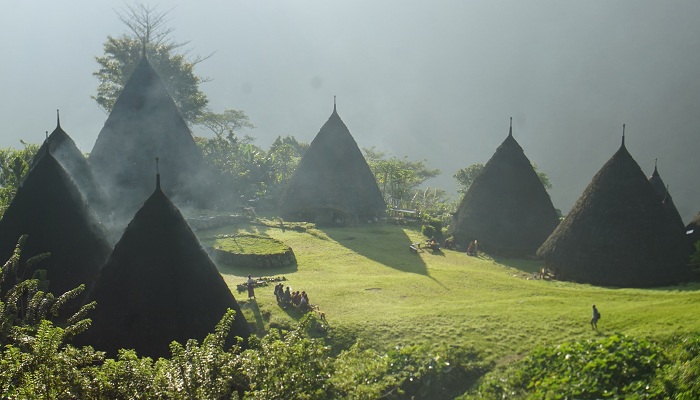
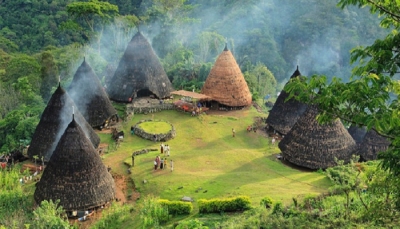
Wae Rebo consists of exactly seven Mbaru Niang houses, arranged in a perfect circle around the central altar. All are identical in design and size, symbolizing equality, unity, and shared community life. Each house has five levels, each with a clear purpose:
- Level 1: Living and gathering space
- Level 2: Family sleeping quarters
- Level 3: Storage for crops and daily needs
- Level 4: Reserve food supply for hard times or drought
- Level 5: Highest level, reserved for offerings and connection to ancestors
Every single element follows ancient rules, no changes, no modifications, exactly as it was built over 400 years ago. This uniformity and completeness is what earned it international recognition. As waerebotrip.com describes, “Walking into Wae Rebo feels like stepping into a living museum, where every wall, every roof, and every corner tells a story unchanged by time.”
Community, Lifestyle, and Culture: Open vs Closed, Adapted vs Pure
Todo Village: Open, Interactive, and Living Heritage
Because Todo is accessible and historically a center of trade and governance, the community here is very open to visitors. People have long interacted with outsiders, and tourism is a natural part of daily life. You can easily enter houses, talk to residents, watch crafts being made, and even join small ceremonies. The culture is alive and practiced, but it has also adapted to modern times. Many families run small shops, homestays, or sell woven fabrics and coffee. You will see motorbikes, electricity, and modern tools alongside traditional customs. This makes Todo very easy and comfortable to visit, great for those who want culture without isolation.
Wae Rebo Village: Strictly Preserved, Deep Traditions, and Communal Life
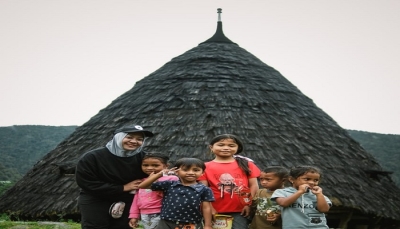
Life here is still governed by strict ancestral rules, called Pati and Wunang, which regulate everything—from how houses are built, how crops are planted, how ceremonies are performed, to how visitors must behave. There is no private land ownership; everything belongs to the community. Decisions are made together, and everyone helps each other. Electricity is limited, usually only available from 6 PM to midnight, and there is no mobile signal at all. People wear traditional clothing daily, speak the old Manggarai dialect, and follow rituals that have not changed in centuries. Tourism is carefully managed: visitors must follow a welcome ceremony, stay only in designated houses, and respect all local rules. It is not just a visit, but a lesson in how people lived before modern times. Reports from jelogilis.com highlight that “The hospitality here is warm and sincere, but the boundaries of tradition are strong, and every guest is expected to respect and follow them completely.”
Tourism Experience and Atmosphere: What You Will Actually Feel
At Todo Village: Educational, Historical, and Relaxed
Visiting Todo feels like walking through a history book. You learn about kings, wars, alliances, and how power shaped the culture. The atmosphere is calm, green, and peaceful. You can spend as much or as little time as you like. It is perfect if you love history, photography, or want a quick cultural stop without physical effort. It is also very family-friendly and budget-friendly.
At Wae Rebo: Magical, Spiritual, and Adventure-Filled
From the moment you start trekking, the feeling changes. The air gets cooler, the views get more dramatic, and once you see the seven houses rising above the mist, you will understand why it is called “above the clouds.” The silence, the fresh air, the unity of the community—it touches something deep inside. It is an emotional and spiritual experience, as much about nature and connection as it is about culture. It is ideal for travelers who want more than sightseeing, who want to truly immerse themselves and disconnect from modern life.
Key Differences Summary Table
- Location: Todo – Valley, easy access | Wae Rebo – High mountain, only by trek
- History: Todo – Former kingdom capital, political center | Wae Rebo – Isolated settlement, preserved culture
- Architecture: Todo – >20 houses, varied sizes, evolved design | Wae Rebo – Exactly 7 identical houses, perfect circle, unchanged
- Community: Todo – Open, adapted, modern influences present | Wae Rebo – Strict traditions, communal living, minimal modern impact
- Cost & Time: Todo – Low cost, 2–3 hours visit | Wae Rebo – Higher budget, 2 days/1 night minimum
- Best For: Todo – History lovers, casual travelers, families | Wae Rebo – Adventure seekers, culture purists, nature lovers
Can You Visit Both?
Absolutely! In fact, combining Todo and Wae Rebo gives you the complete picture of Manggarai culture. Start with Todo to understand the history and royal roots, then go to Wae Rebo to see how that same culture was preserved in its purest form in the mountains. Together, they tell the full story of the Manggarai people—how they ruled, how they preserved, and how they kept their identity alive through centuries of change.
So now you know exactly what is the difference between Todo Village and Wae Rebo Village. They are two sides of the same beautiful heritage, each special in its own way. Which one calls to you more? Do you prefer the history and ease of Todo, or the magic and adventure of Wae Rebo? Or are you already planning to visit both? Share your thoughts, your questions, or your own experiences in the comments below—I would love to hear what you think and help you plan your perfect Flores trip!

There are no comments yet