
Mbaru Niang Traditional House Architecture in Wae Rebo Village
- account_circle admin
- calendar_month 27/05/2026
- visibility 38
- comment 0 komentar
- label Labuan bajo Tips Waerebo
Mbaru Niang Traditional House Architecture in Wae Rebo Village: The Ancient Mountain Design That Still Amazes the Modern World
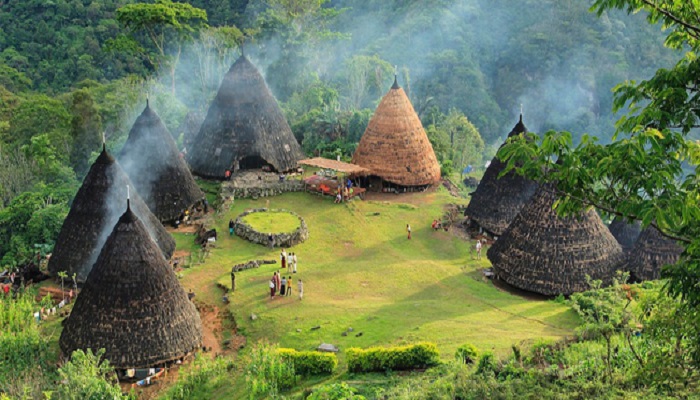
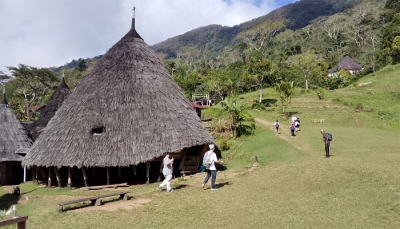
Mbaru Niang traditional house architecture in Wae Rebo Village represents one of Indonesia’s most extraordinary examples of indigenous design, cultural identity, and environmental adaptation. Hidden high in the mountains of Flores Island, Wae Rebo Village is famous for its cone-shaped traditional houses that rise dramatically against a backdrop of mist-covered hills and dense forest.
Unlike modern buildings designed for speed and convenience, Mbaru Niang houses reflect centuries of cultural wisdom, spiritual philosophy, and practical adaptation to mountain life. Their striking appearance immediately captures attention, but the deeper meaning behind the architecture reveals why these houses remain globally respected as symbols of traditional Indonesian heritage.
For travelers arriving in Wae Rebo after trekking through mountain forests, the first sight of the village often feels unforgettable. The unique shape of the houses, combined with the isolated atmosphere of the village itself, creates a sense of stepping into another era.
What Is Mbaru Niang?
Mbaru Niang is the name of the traditional cone-shaped house architecture found in Wae Rebo Village, Manggarai Regency, Flores, Indonesia.
These houses serve as:
- Family residences
- Community gathering spaces
- Storage areas
- Cultural and ceremonial centers
The architecture is closely connected to the traditions and beliefs of the Manggarai people who have lived in the region for generations.
Why Mbaru Niang Architecture Is So Unique
The most recognizable feature of Mbaru Niang houses is their tall cone-shaped roof structure.
Unlike rectangular modern houses, Mbaru Niang buildings are circular and rise upward in several levels beneath a towering roof made from natural materials.
Key characteristics include:
- Circular floor plan
- Multi-level interior structure
- Cone-shaped roof
- Natural construction materials
- Communal spatial organization
The architecture blends functionality, spirituality, and environmental adaptation into a single design.
The Meaning Behind the Cone Shape
The cone-shaped structure is not simply aesthetic. It carries symbolic and practical meaning.
The upward shape represents:
- Connection between humans and ancestors
- Spiritual harmony
- Unity within the community
- Respect for nature
The steep roof design also protects the house from mountain rain and strong winds common in the highlands of Flores.
How Many Levels Exist Inside Mbaru Niang?
Traditional Mbaru Niang houses contain several internal levels, each serving a different purpose.
First Level
The ground level is typically used for daily living activities such as sleeping, cooking, and gathering.
Upper Levels
Higher levels function as storage areas for:
- Food supplies
- Agricultural products
- Sacred ceremonial objects
- Traditional tools
The layered structure demonstrates efficient use of vertical space.
Traditional Construction Materials
One remarkable aspect of Mbaru Niang architecture is its reliance on natural local materials.
Builders traditionally use:
- Wood
- Bamboo
- Palm fiber
- Grass roofing materials
- Natural rope bindings
These materials allow the houses to blend naturally into the surrounding mountain environment.
How Mbaru Niang Reflects Environmental Adaptation
The architecture of Wae Rebo developed through generations of adaptation to mountain conditions.
The design helps manage:
- Heavy rainfall
- Cold mountain temperatures
- Strong winds
- Humidity
The thick roof covering acts as insulation, helping maintain warmth during cool nights.
Modern architects often admire how traditional communities created sustainable housing solutions long before contemporary environmental design became popular.
The Cultural Importance of Mbaru Niang
Mbaru Niang is more than architecture. It represents the cultural identity of the Wae Rebo community.
The houses symbolize:
- Family unity
- Community cooperation
- Ancestral respect
- Traditional knowledge
Construction and maintenance involve strong communal participation, reinforcing social bonds within the village.
The Spiritual Connection Inside the Architecture
Spiritual values are deeply integrated into Mbaru Niang architecture.
Certain areas inside the houses are associated with:
- Ancestral rituals
- Traditional ceremonies
- Cultural symbolism
- Community spirituality
The house itself is considered part of the relationship between humans, nature, and ancestral heritage.
Why Travelers Are Fascinated by Mbaru Niang
Many travelers visiting Flores describe Mbaru Niang as unlike any traditional architecture they have seen elsewhere in Southeast Asia.
The fascination comes from:
- Remote mountain location
- Unusual cone-shaped design
- Authentic cultural atmosphere
- Communal village layout
- Visual harmony with nature
Standing inside one of these towering houses often creates a powerful emotional impression.
How often do modern travelers encounter architecture that feels both ancient and surprisingly sophisticated at the same time?
The Restoration and Preservation of Wae Rebo
Over time, preservation efforts became necessary to maintain the traditional houses and cultural heritage of Wae Rebo.
Restoration projects focused on:
- Rebuilding damaged houses
- Preserving traditional techniques
- Protecting local craftsmanship
- Supporting community-based tourism
These efforts helped Wae Rebo gain wider international recognition.
UNESCO and International Recognition
The cultural significance of Wae Rebo and its architecture has attracted international attention.
Mbaru Niang architecture is frequently recognized as an important example of:
- Indigenous architecture
- Sustainable building design
- Cultural preservation
- Traditional environmental adaptation
The village has become one of Indonesia’s most respected cultural tourism destinations.
The Layout of Wae Rebo Village
One of the most visually striking aspects of Wae Rebo is the arrangement of the houses.
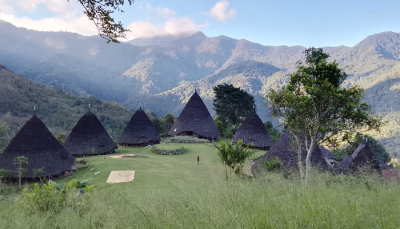
The Mbaru Niang houses are positioned in a circular formation around a shared open space.
This layout reflects:
- Community equality
- Collective interaction
- Traditional social structure
- Shared cultural identity
The village design itself reinforces social connection.
Construction Techniques Passed Through Generations
The knowledge required to build Mbaru Niang houses is traditionally passed down through generations.
Builders rely on:
- Oral traditions
- Community cooperation
- Local craftsmanship
- Traditional measurement systems
The process demonstrates how indigenous engineering knowledge can survive without written blueprints.
How Tourism Impacts Mbaru Niang Preservation
Tourism has created both opportunities and challenges for Wae Rebo.
Positive Impacts
- Economic support for villagers
- Increased cultural awareness
- Funding for preservation
Potential Challenges
- Overtourism risks
- Cultural commercialization
- Environmental pressure
Responsible tourism plays an important role in protecting the authenticity of the village.
Travel Experiences Inside Mbaru Niang Houses
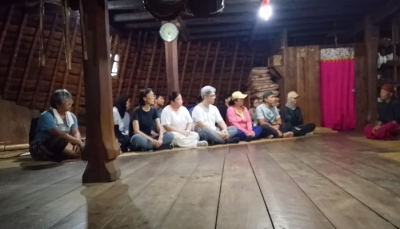
Visitors who stay overnight in Wae Rebo often sleep inside traditional Mbaru Niang houses.
The experience includes:
- Communal sleeping spaces
- Traditional meals
- Cool mountain atmosphere
- Minimal modern distractions
Many travelers describe the overnight stay as one of the most meaningful parts of visiting Flores.
Travel platforms such as waerebotrip.com frequently provide information about trekking routes, village stays, and cultural experiences related to Wae Rebo.
These travel resources help visitors better understand the importance of respecting local customs while experiencing traditional village life.
Why Architects and Designers Study Mbaru Niang
Modern architects increasingly study indigenous structures like Mbaru Niang because they demonstrate sustainable principles often missing from contemporary urban development.
Key lessons include:
- Climate-responsive design
- Natural ventilation
- Efficient material use
- Community-oriented spaces
- Environmental harmony
Traditional architecture often contains solutions developed through centuries of practical experience.
The Atmosphere of Wae Rebo Village
Part of the power of Mbaru Niang architecture comes from its setting.
Located high in the mountains, Wae Rebo is frequently surrounded by:
- Fog
- Clouds
- Forest landscapes
- Cool mountain air
The architecture feels inseparable from the natural environment.
Regional Tourism and Cultural Discussions
Regional tourism reports increasingly describe Wae Rebo as one of Indonesia’s most important cultural destinations. Several Flores cultural stories and tourism discussions featured through jelogilis.com often highlight the growing international fascination with traditional architecture and mountain village tourism in Flores.
These discussions emphasize the importance of balancing tourism growth with cultural preservation.
Common Misunderstandings About Wae Rebo Architecture
It Is Not a Museum
Wae Rebo remains a living village where families continue daily life and traditions.
The Houses Are Functional
Mbaru Niang architecture is not only symbolic but also highly practical for mountain conditions.
Tourism Is Secondary to Community Life
The village existed long before modern tourism developed in Flores.
Why Mbaru Niang Still Matters Today
In an era dominated by concrete buildings and rapid urbanization, Mbaru Niang reminds the world that architecture can still reflect identity, spirituality, sustainability, and community values.
The houses demonstrate how traditional societies created solutions deeply connected to their environment and culture.
Rather than representing the past alone, Mbaru Niang also offers lessons for the future.
Final Thoughts on Mbaru Niang Traditional House Architecture in Wae Rebo Village
Mbaru Niang traditional house architecture in Wae Rebo Village stands as one of Indonesia’s most remarkable cultural achievements. Its cone-shaped design, communal philosophy, environmental adaptation, and spiritual symbolism create an architectural identity unlike anywhere else in the world.
Beyond visual beauty, these traditional houses represent centuries of knowledge, resilience, and cultural continuity preserved within the mountains of Flores.
For travelers, architects, photographers, and cultural explorers alike, Wae Rebo offers more than a destination. It offers a rare opportunity to witness architecture that still lives as part of everyday community life.
If you had the chance to spend one night inside a traditional Mbaru Niang house above the clouds of Flores, what part of the experience would fascinate you most? Share your thoughts or travel dreams in the comments below.

There are no comments yet