
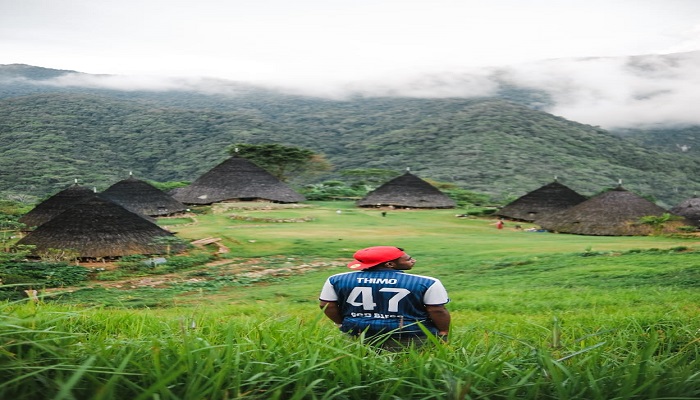
How to get Wae Rebo Village from Bali
- account_circle admin
- calendar_month 14/05/2026
- visibility 36
- comment 0 komentar
- label Labuan bajo Tips Waerebo
The Complete Travel Route Most Tourists Wish They Knew Earlier
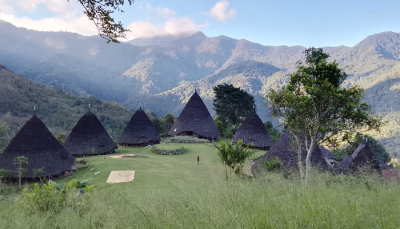
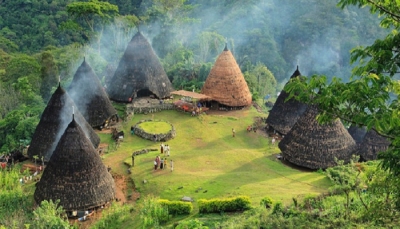
How to get Wae Rebo Village from Bali is one of the most searched travel questions among adventurers planning to explore Flores, Indonesia. Hidden deep within the mountains of East Nusa Tenggara, Wae Rebo is famous for its traditional cone-shaped houses, mist-covered scenery, and authentic Manggarai culture. Unlike mainstream tourist destinations that are easy to access, reaching Wae Rebo requires several stages of travel, including flights, long road journeys, and mountain trekking.
At first, the journey may seem complicated. However, many travelers later realize that the route itself becomes part of the experience. The transition from Bali’s busy tourism atmosphere to Flores’ remote mountain villages creates a sense of adventure that is difficult to find in modern travel.
If you are wondering how to travel from Bali to Wae Rebo efficiently while enjoying the journey, this guide explains everything you need to know.
Where Is Wae Rebo Village Located?
Wae Rebo Village is located in Manggarai Regency on Flores Island, East Nusa Tenggara Province, Indonesia. The village sits approximately 1,100 meters above sea level and is surrounded by mountains and dense forest.
Because of its isolated location, visitors cannot reach the village directly by car. The final part of the journey must be completed on foot through a mountain trekking route.
Step-by-Step Guide: How to Get Wae Rebo Village From Bali
Step 1: Fly From Bali to Labuan Bajo
The fastest and most common way to begin the journey is by taking a domestic flight from Bali to Labuan Bajo.
Flights usually depart from:
- Ngurah Rai International Airport in Bali
Arrival airport:
- Komodo International Airport in Labuan Bajo
Flight duration is generally around 1 to 1.5 hours depending on airline schedules and weather conditions.
Several airlines operate daily routes between Bali and Labuan Bajo, making this the easiest transportation option for travelers.
Why Most Travelers Start in Labuan Bajo
Labuan Bajo is the main tourism gateway in western Flores. Besides serving as the entrance to Komodo National Park, it also functions as the primary starting point for Wae Rebo expeditions.
Labuan Bajo offers:
- Hotels and guesthouses
- Restaurants and cafés
- ATMs and convenience stores
- Tour agencies
- Private transportation services
Many travelers spend one night in Labuan Bajo before continuing the overland trip.
Step 2: Travel Overland From Labuan Bajo to Denge Village
After arriving in Labuan Bajo, the next stage involves traveling by road to Denge Village, which serves as the main trekking starting point for Wae Rebo.
Travel Time
The drive usually takes around 5 to 7 hours depending on:
- Road conditions
- Traffic
- Weather
- Type of vehicle
Transportation Options
- Private car with driver
- Shared transport
- Motorbike adventure travel
- Organized tour packages
Private transportation is the most comfortable option, especially for travelers carrying trekking equipment or traveling in groups.
What the Road Journey Looks Like
The overland route from Labuan Bajo to Denge is one of the most scenic drives in Flores.
Travelers pass through:
- Mountain landscapes
- Traditional villages
- Rice terraces
- Coastal viewpoints
- Forest roads
The scenery changes dramatically as you move farther away from tourist areas and deeper into rural Flores.
Step 3: Trek From Denge Village to Wae Rebo
Once you arrive in Denge Village, the road journey ends and the trekking adventure begins.
Trekking Duration
The trek to Wae Rebo typically takes around 2 to 4 hours depending on fitness level and trail conditions.
Trekking Difficulty
The hike is considered moderate and manageable for most travelers with reasonable physical condition.
The trail includes:
- Forest paths
- Mountain inclines
- Natural rest points
- Cool highland air
Most visitors describe the final arrival at Wae Rebo as unforgettable because the village suddenly appears among the clouds after hours of trekking.
Should You Visit Wae Rebo Independently or Join a Tour?
Independent Travel
Independent travel offers flexibility and can reduce costs. However, organizing transportation and trekking logistics requires more planning.
Tour Packages
Many travelers choose organized trips because they simplify:
- Transportation
- Accommodation
- Guide services
- Trekking arrangements
- Village permits
Several local travel organizers, including waerebotrip.com, provide practical information and travel arrangements for visitors heading from Labuan Bajo to Wae Rebo.
Best Time to Travel From Bali to Wae Rebo
Dry Season
The dry season between April and October is considered the best time for visiting because roads and trekking paths are generally safer.
Advantages include:
- Better visibility
- More stable trekking conditions
- Lower chance of heavy rain
- Easier transportation
Rainy Season
The rainy season creates lush green scenery and dramatic fog, though trekking becomes more slippery and challenging.
Some travelers actually prefer the misty atmosphere because Wae Rebo feels even more mystical during rainy weather.
How Much Does the Journey Cost?
The total cost depends on travel style and transportation preferences.
Main expenses include:
- Flights from Bali to Labuan Bajo
- Transport to Denge Village
- Guide services
- Village contribution fees
- Meals and accommodation
Budget travelers may spend less through shared transportation, while private tours provide more comfort and convenience.
What to Pack for Wae Rebo
Because Wae Rebo involves mountain trekking and remote village conditions, packing correctly is important.
- Trekking shoes
- Rain jacket
- Warm clothing
- Flashlight
- Power bank
- Water bottle
- Basic medicine
- Cash money
Traveling light is recommended because heavy bags can make trekking more tiring.
What Is Accommodation Like in Wae Rebo?
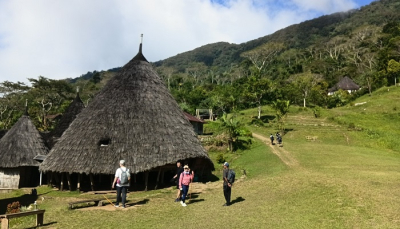
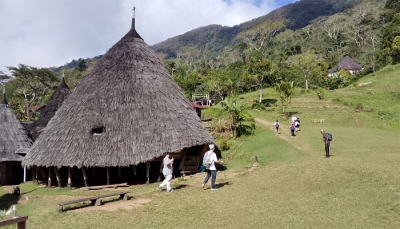
Visitors stay inside traditional cone-shaped houses called Mbaru Niang. Accommodation is communal and simple rather than luxurious.
Facilities usually include:
- Shared sleeping areas
- Traditional meals
- Basic bedding
- Limited electricity
- Minimal internet access
For many travelers, the simplicity becomes one of the most memorable parts of the experience.
The Cultural Importance of Visiting Respectfully
Wae Rebo is not a tourism attraction created for entertainment. It is a living traditional village where local families continue preserving ancestral customs and architecture.
Visitors are expected to:
- Dress respectfully
- Follow village rules
- Participate politely in ceremonies
- Ask permission before taking portraits
Responsible tourism helps maintain the village’s cultural authenticity.
The Famous Welcome Ceremony
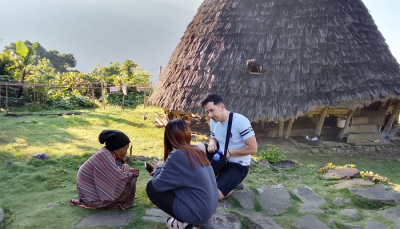
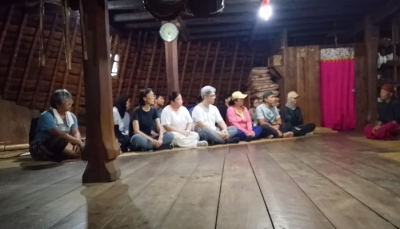
Upon arrival, visitors usually participate in a traditional welcoming ritual conducted by village elders.
This ceremony symbolizes:
- Respect for ancestors
- Permission to enter the village
- Community hospitality
- Cultural continuity
It creates a deeper connection between visitors and local traditions.
Internet and Connectivity
Travelers should prepare for limited internet access in Wae Rebo.
Many visitors discover that disconnecting from digital distractions becomes one of the most refreshing aspects of the journey.
When was the last time you spent a night completely surrounded by nature without constant phone notifications?
Photography Opportunities Along the Route
The route from Bali to Wae Rebo offers extraordinary photography opportunities.
- Flores mountain landscapes
- Forest trekking scenes
- Traditional villages
- Misty sunrise views
- Mbaru Niang houses
Early morning in Wae Rebo is especially famous for atmospheric fog photography.
Travel Stories and Flores Tourism Updates
Regional tourism discussions frequently highlight Wae Rebo as one of Indonesia’s most unique cultural destinations. Several Flores travel reports and tourism stories can be found through jelogilis.com, especially for travelers researching overland adventures and remote tourism experiences.
Reading regional travel insights can help visitors better understand local conditions and transportation realities.
Common Mistakes Travelers Make
Underestimating Travel Time
Many first-time visitors assume the route is shorter than it actually is.
Bringing Too Much Luggage
Heavy bags can make the mountain trek unnecessarily difficult.
Skipping Overnight Stay
Travelers who rush back often miss the magical sunrise atmosphere.
Ignoring Weather Conditions
Mountain weather changes quickly, especially during rainy season.
Why the Journey Is Worth It
Traveling from Bali to Wae Rebo is not always easy, but that difficulty creates part of the magic. Unlike destinations overwhelmed by mass tourism, Wae Rebo still feels authentic and deeply connected to local tradition.
The combination of adventure, trekking, cultural immersion, and mountain scenery creates a travel experience that many visitors never forget.
Final Thoughts on How to Get Wae Rebo Village From Bali
How to get Wae Rebo Village from Bali involves more than booking a flight and following a map. It is a multi-stage journey that combines air travel, scenic overland driving, mountain trekking, and cultural exploration.
From Bali to Labuan Bajo, then through Flores’ mountain roads and forest trails, every stage of the journey contributes to the uniqueness of Wae Rebo itself.
For travelers seeking authentic experiences beyond ordinary tourism, Wae Rebo remains one of Indonesia’s most rewarding destinations.
If you had the chance to leave Bali’s busy beaches behind and trek into a hidden village above the clouds, would you take the journey? Share your thoughts, travel plans, or questions in the comments below.

There are no comments yet