
How to Visit Wae Rebo: Indonesia’s Most Isolated Cloud
- account_circle admin
- calendar_month 12/05/2026
- visibility 99
- comment 0 komentar
- label Labuan bajo Tips Waerebo
How to Visit Wae Rebo: Indonesia’s Most Isolated Cloud Village That Travelers Can’t Stop Talking About
How to visit Wae Rebo: Indonesia’s most isolated cloud village is a question many adventurous travelers ask after seeing breathtaking photographs of cone-shaped houses surrounded by misty mountains in Flores. Hidden deep within the highlands of East Nusa Tenggara, Wae Rebo is not a destination you casually pass by. Reaching the village requires patience, preparation, and a willingness to leave modern comfort behind for something far more meaningful.
Unlike crowded tourist attractions, Wae Rebo remains protected by geography and tradition. The village sits high above the surrounding valleys, accessible only through mountain trekking routes after a long overland journey from Labuan Bajo. Yet that isolation is exactly what makes Wae Rebo so extraordinary.
For travelers searching for authentic culture, untouched scenery, and experiences beyond ordinary tourism, Wae Rebo offers one of the most memorable adventures in Indonesia.
What Is Wae Rebo?
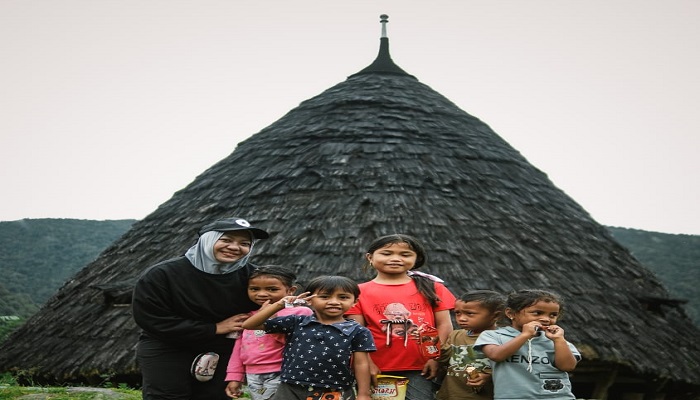
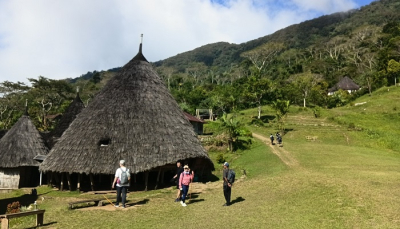
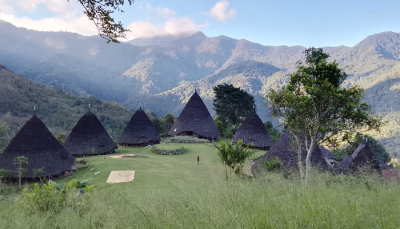
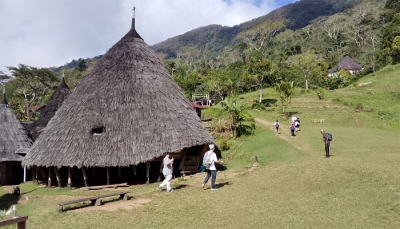
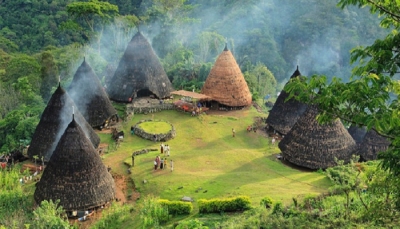
Wae Rebo is a traditional Manggarai village located in the mountains of Flores Island, Indonesia. The village is famous for its iconic cone-shaped houses called Mbaru Niang, which symbolize community unity, ancestral heritage, and architectural wisdom.
Surrounded by forests and often covered by clouds, Wae Rebo is frequently described as a “village above the clouds.”
The community continues preserving traditional customs, ceremonies, and communal living practices that have existed for generations.
Where Is Wae Rebo Located?
Wae Rebo is located in Manggarai Regency, East Nusa Tenggara Province, on Flores Island in Indonesia.
The nearest tourism gateway is Labuan Bajo, which is also the main access point to Komodo National Park.
To reach Wae Rebo, travelers must:
- Travel overland from Labuan Bajo to Denge Village
- Continue trekking through mountain trails
- Stay overnight in the village or return the following day
Step-by-Step Guide on How to Visit Wae Rebo
Step 1: Arrive in Labuan Bajo
Most travelers begin their journey in Labuan Bajo because it has:
- Komodo International Airport
- Hotels and guesthouses
- Restaurants and cafés
- Travel agencies
- Transportation services
Flights to Labuan Bajo are available from several major Indonesian cities including Bali and Jakarta.
Step 2: Travel From Labuan Bajo to Denge Village
The drive from Labuan Bajo to Denge Village generally takes around 5 to 7 hours depending on road conditions and weather.
The route passes through:
- Mountain landscapes
- Rural villages
- Rice fields
- Forest areas
- Coastal viewpoints
Transportation options include:
- Private car with driver
- Shared transport
- Motorbike adventure travel
- Tour packages
Step 3: Trek From Denge to Wae Rebo
After reaching Denge Village, the road ends and the trekking adventure begins.
The hike to Wae Rebo takes approximately 2 to 4 hours depending on pace and trail conditions.
The trekking route includes:
- Forest trails
- Mountain climbs
- Natural rest points
- Cool highland scenery
The final approach to the village is unforgettable, especially when clouds move slowly around the traditional houses.
How Difficult Is the Trek?
The trek is considered moderate. Most healthy travelers can complete it successfully with reasonable preparation.
Useful trekking items include:
- Trekking shoes
- Rain jacket
- Drinking water
- Flashlight
- Light backpack
- Energy snacks
The trail can become slippery during rainy weather, so caution is important.
Best Time to Visit Wae Rebo
Dry Season
April to October is generally considered the best period for visiting Wae Rebo because trekking conditions are more stable.
Advantages include:
- Clearer trails
- Better visibility
- More reliable transportation
- Comfortable trekking conditions
Rainy Season
November to March creates dramatic scenery with heavy fog and lush green mountains. However, trekking becomes more challenging.
Some travelers actually prefer the rainy season atmosphere because the village feels even more mystical.
Should You Stay Overnight?
Yes, staying overnight is highly recommended.
Many travelers who attempt a same-day return later regret rushing the experience. Overnight stays allow visitors to enjoy:
- Morning fog scenery
- Traditional village atmosphere
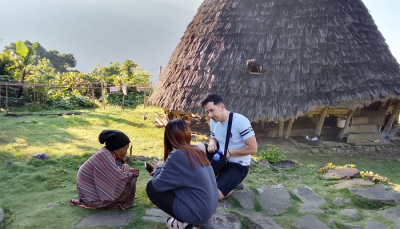
- Community interaction
- Sunrise photography
- Night sky views
After sunset, Wae Rebo becomes incredibly peaceful and quiet.
What Is Accommodation Like?
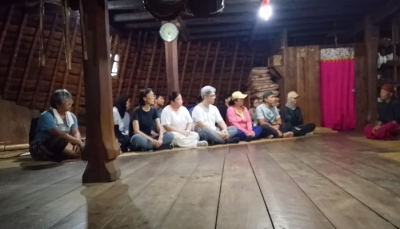
Accommodation in Wae Rebo is traditional rather than luxurious. Visitors stay inside the communal Mbaru Niang houses together with other guests.
Facilities are basic but meaningful.
- Simple bedding
- Shared sleeping spaces
- Traditional meals
- Limited electricity
- Minimal internet access
Would a luxury hotel ever provide the same cultural connection as sleeping inside a traditional mountain house surrounded by clouds?
How Much Does It Cost to Visit Wae Rebo?
The total cost depends on travel style and transportation choices.
Main expenses include:
- Transport from Labuan Bajo
- Trekking guide
- Village contribution fees
- Meals
- Accommodation
Independent travelers may spend less, while organized tours offer convenience and logistical support.
Travel Planning Resources
Several local travel planners provide information for travelers heading to Wae Rebo. For example, waerebotrip.com shares practical guidance about transportation, trekking arrangements, accommodation, and village visits.
Using local travel information can simplify planning, especially for first-time visitors to Flores.
Understanding Local Culture Before Visiting
Wae Rebo is not a tourism attraction built for entertainment. It is a living traditional village with strong cultural values.
Visitors are expected to respect local customs.
- Dress modestly
- Follow local instructions
- Participate respectfully in ceremonies
- Ask permission before photographing people
- Maintain polite behavior
Respectful tourism helps preserve village authenticity for future generations.
The Famous Welcome Ceremony
Upon arrival, visitors often participate in a traditional welcoming ceremony conducted by village elders.
This ritual symbolizes:
- Respect for ancestors
- Permission to stay in the village
- Community hospitality
- Cultural continuity
The ceremony creates a meaningful introduction to village life.
What Makes Wae Rebo Different From Other Villages?
Many villages in Indonesia preserve traditional culture, but Wae Rebo stands out because of its combination of:
- Remote mountain setting
- Unique architecture
- Strong cultural preservation
- Community-based tourism
- Atmospheric cloud-covered scenery
The isolation helps maintain authenticity rarely found in heavily commercialized destinations.
Photography Opportunities in Wae Rebo
Wae Rebo is considered one of Indonesia’s most photogenic destinations.
Popular photography subjects include:
- Mbaru Niang houses
- Morning mist
- Mountain landscapes
- Cultural portraits
- Forest trekking scenes
Early morning is often the best time for photography because fog creates dramatic lighting conditions.
Food and Meals During Your Visit
Meals in Wae Rebo are simple, local, and communal.
Typical dishes may include:
- Rice
- Vegetables
- Chicken
- Eggs
- Traditional coffee
- Tea
Eating together becomes part of the cultural experience rather than simply a meal.
Internet and Connectivity
Travelers should prepare for limited digital connectivity in Wae Rebo.
Internet signal is weak or unavailable in many areas.
For many visitors, this digital disconnection becomes surprisingly refreshing.
Travel Stories and Flores Tourism Insights
Regional tourism platforms occasionally discuss the growing popularity of Wae Rebo among adventure travelers and cultural explorers. Several Flores travel stories and tourism insights can be found through jelogilis.com, especially regarding remote destinations and cultural tourism experiences.
Such local perspectives often help travelers better understand the realities of overland travel in Flores.
Common Mistakes First-Time Visitors Make
Underestimating the Trek
Some travelers assume the trek is easy and arrive unprepared.
Packing Too Much
Heavy backpacks make the mountain climb more difficult.
Rushing the Experience
Trying to visit Wae Rebo too quickly reduces the emotional value of the journey.
Ignoring Weather Conditions
Mountain weather can change rapidly.
Why the Journey Matters
Part of Wae Rebo’s magic comes from the effort required to reach it.
Modern tourism often prioritizes convenience, but Wae Rebo reminds travelers that meaningful experiences sometimes require patience and physical effort.
The journey itself becomes part of the story.
Final Thoughts on Visiting Wae Rebo
How to visit Wae Rebo: Indonesia’s most isolated cloud village is not simply about logistics or trekking routes. It is about preparing for an experience that combines adventure, culture, nature, and reflection.
From the long overland drive to the mountain hike and overnight stay inside traditional houses, every step of the journey contributes to the uniqueness of Wae Rebo.
For travelers seeking authenticity rather than mass tourism, Wae Rebo remains one of Indonesia’s most unforgettable destinations.
If you had the chance to disconnect from modern life for one night and stay in a village above the clouds, would you take the journey? Share your thoughts, questions, or travel plans in the comments below.

There are no comments yet