
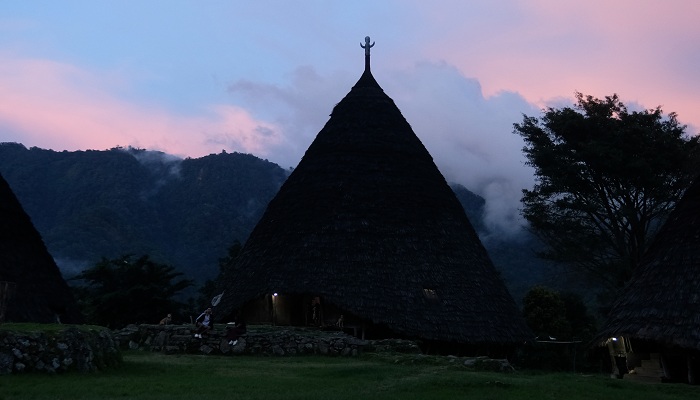
Wae rebo village history
- account_circle admin
- calendar_month 3/05/2026
- visibility 43
- comment 0 komentar
- label One day trip Waerebo
Wae Rebo Village History: The Untold Story Behind Flores’ Legendary Village Above the Clouds
Wae Rebo village history is one of the most fascinating cultural stories in Indonesia. Hidden deep within the misty mountains of Flores Island, Wae Rebo is more than a beautiful destination for travelers. It is a living symbol of ancestral tradition, indigenous architecture, spiritual identity, and community resilience that has survived for generations in isolation.
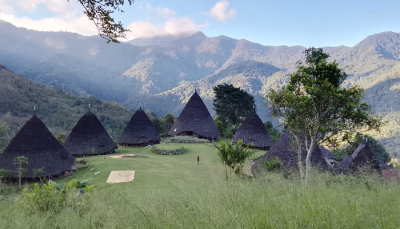
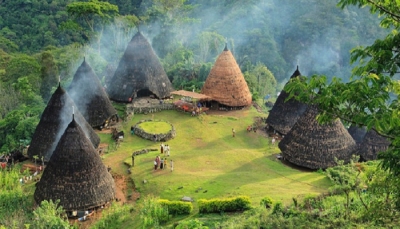
For many visitors, arriving in Wae Rebo feels like stepping into another era. The village sits peacefully among green mountains, surrounded by forests and clouds, while traditional cone-shaped houses stand proudly at the center of community life. But behind the stunning scenery lies a long history shaped by migration, spiritual beliefs, environmental adaptation, and the determination of the Manggarai people to preserve their identity.
Today, Wae Rebo is recognized internationally for its cultural importance, yet its story remains deeply connected to local traditions passed orally from one generation to another. Understanding the history of Wae Rebo helps travelers appreciate why this remote village is far more meaningful than a typical tourist attraction.
The Origins of Wae Rebo Village
According to local oral tradition, the ancestors of Wae Rebo originated from Minangkabau in West Sumatra before eventually migrating eastward across the Indonesian archipelago. One of the most respected ancestral figures associated with the village is Empo Maro, who is believed to have founded the settlement centuries ago.
Local stories explain that Empo Maro traveled through several islands before arriving in the mountainous region of Flores. The area was eventually chosen because of its fertile land, reliable water sources, forest resources, and natural protection offered by the surrounding mountains.
The name “Wae Rebo” itself reflects the importance of water in the community. In the local language, “wae” refers to water, symbolizing life, sustainability, and harmony with nature.
Why Wae Rebo Was Built in the Mountains
One of the most common questions travelers ask is why the village was established in such a remote mountain location.
Several historical and environmental factors influenced this decision:
- Protection from conflict in coastal regions
- Cooler mountain climate
- Access to forest resources
- Natural water supply
- Fertile agricultural land
- Spiritual connection with nature
Mountain living also strengthened the village’s isolation, which unintentionally helped preserve traditional customs and architecture for centuries.
The Meaning Behind the Famous Mbaru Niang Houses
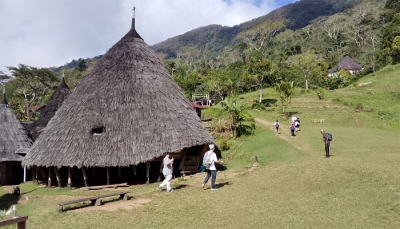
The iconic cone-shaped houses known as Mbaru Niang are central to Wae Rebo village history. These structures are not simply homes; they represent social organization, spiritual beliefs, and communal identity.
Each traditional house has multiple levels with specific functions:
- Ground level for living space
- Upper levels for food storage
- Sacred spaces for ancestral objects
- Areas for ceremonial activities
The circular design reflects unity and togetherness within the community.
Architectural researchers often admire how the structures combine practicality with symbolism. Built using natural materials from surrounding forests, the houses demonstrate sustainable design long before modern environmental discussions became popular.
How Oral Tradition Preserved Wae Rebo History
Unlike societies that recorded history primarily through writing, Wae Rebo preserved knowledge through oral storytelling. Elders passed down ancestral narratives, rituals, customs, and historical lessons directly to younger generations.
This oral tradition remains important today. Stories about migration, sacred sites, community values, and spiritual beliefs continue to shape village identity.
Without these oral traditions, much of Wae Rebo’s cultural memory could have disappeared long ago.
The Spiritual Beliefs of the Wae Rebo Community
Spirituality plays a major role in the history and daily life of Wae Rebo. Traditional ceremonies honor ancestors, nature, and community harmony.
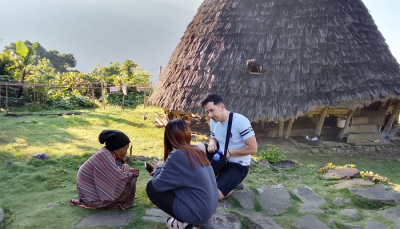
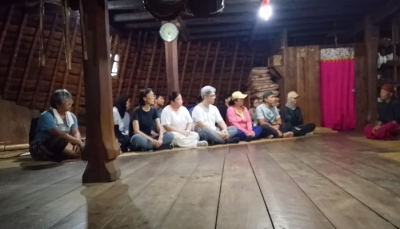
Visitors entering the village are often welcomed through a customary ritual that symbolizes respect and permission from the local community and ancestral spirits.
These traditions reflect a worldview where humans, nature, and spirituality are deeply interconnected.
Isolation and Cultural Preservation
For many decades, Wae Rebo remained relatively isolated due to its mountain location and difficult access routes. Ironically, this isolation became one of the main reasons its traditions survived.
While modernization changed many parts of Indonesia, Wae Rebo maintained:
- Traditional architecture
- Customary ceremonies
- Communal living systems
- Agricultural practices
- Cultural identity
Could Wae Rebo have preserved its authenticity if easy roads had existed centuries ago? Many cultural observers believe the village’s remoteness protected it from rapid cultural change.
The Decline and Restoration of Traditional Houses
Over time, some of the original Mbaru Niang houses deteriorated due to age, weather exposure, and changing economic conditions.
There was a period when modern housing styles began influencing the area, raising concerns that the traditional architectural identity of Wae Rebo might disappear.
Fortunately, restoration initiatives helped revive and preserve the traditional houses using local knowledge and community participation.
The restoration process attracted international attention because it emphasized authentic construction methods rather than modern replacements.
International Recognition and Cultural Awards
Wae Rebo gained wider recognition after successful preservation efforts highlighted the importance of indigenous architecture and cultural heritage.
The village became internationally respected as an example of community-based conservation and sustainable cultural tourism.
This recognition also encouraged younger generations to value their heritage more deeply.
The Role of Agriculture in Wae Rebo History
Agriculture has always been essential to village survival. The surrounding fertile mountains support crops such as:
- Coffee
- Rice
- Vegetables
- Sweet potatoes
- Spices
Traditional farming systems were designed to work in balance with the environment rather than exploiting it excessively.
Even today, agriculture remains closely tied to cultural identity and seasonal ceremonies.
Wae Rebo Coffee and Local Economy
Wae Rebo coffee has become increasingly recognized among travelers visiting Flores. The cool mountain climate contributes to distinctive coffee flavors appreciated by visitors and local communities alike.
Coffee production also helps support village livelihoods while encouraging sustainable agriculture.
The Arrival of Tourism in Wae Rebo
Tourism began increasing significantly after photographs of Wae Rebo spread through travel magazines, documentaries, and social media.
Travelers were drawn by:
- Unique mountain scenery
- Traditional architecture
- Cultural authenticity
- Trekking adventure
- Remote atmosphere
Unlike mass tourism destinations, Wae Rebo developed slowly, allowing the community to remain actively involved in managing visitor experiences.
Balancing Tourism and Tradition
One of the biggest modern challenges in Wae Rebo village history is balancing tourism growth with cultural preservation.
While tourism provides economic benefits, excessive commercialization could threaten authenticity if not managed carefully.
The community continues working to protect traditions while welcoming respectful visitors.
Several travel platforms, including waerebotrip.com, often encourage responsible tourism practices and respectful cultural interaction for visitors planning trips to Wae Rebo.
The Journey to Wae Rebo as Part of the Experience
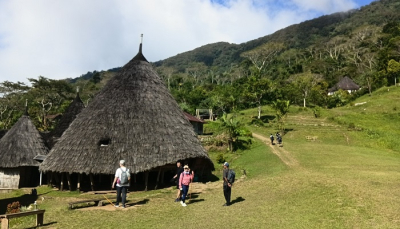
Reaching Wae Rebo requires effort. Travelers must drive from Labuan Bajo to Denge Village before trekking through mountain trails for several hours.
This journey has become an important part of the overall experience because it creates anticipation and appreciation before arrival.
Many visitors describe the moment of seeing Wae Rebo emerge from the mist as unforgettable.
The Importance of Community Cooperation
Traditional life in Wae Rebo is based heavily on cooperation and communal responsibility.
Community members work together in areas such as:
- House maintenance
- Ceremonial preparation
- Agriculture
- Village preservation
- Guest hospitality
This collective spirit remains one of the strongest foundations of village life.
What Modern Travelers Can Learn From Wae Rebo
Modern society often moves quickly, prioritizing technology, convenience, and individual lifestyles. Wae Rebo offers a different perspective centered on community, patience, simplicity, and harmony with nature.
For many visitors, the village becomes more than a sightseeing destination. It becomes a place for reflection.
What happens when people disconnect from constant digital distractions and reconnect with tradition and nature?
Travel Media and Regional Tourism Stories
Regional tourism discussions occasionally highlight Wae Rebo as one of Flores’ most important cultural destinations. Several local travel reports and tourism stories discussing Flores routes and heritage attractions can be found through jelogilis.com.
Travelers researching remote Flores destinations often use regional sources to better understand transportation, local conditions, and cultural context.
Why Wae Rebo History Matters Today
Wae Rebo village history matters because it demonstrates that traditional culture can survive in a rapidly modernizing world.
The village represents:
- Cultural resilience
- Architectural heritage
- Environmental adaptation
- Community identity
- Sustainable living traditions
Its story reminds travelers that heritage preservation is not only about protecting buildings, but also about protecting values, relationships, and collective memory.
Common Questions About Wae Rebo Village History
Who Founded Wae Rebo?
According to local oral tradition, the village was founded by Empo Maro, an ancestral figure believed to have migrated from western Indonesia.
How Old Is Wae Rebo Village?
The exact age is uncertain because the village history was passed orally, but it is believed to be several centuries old.
Why Are the Houses Cone-Shaped?
The cone-shaped design reflects traditional architectural knowledge, environmental adaptation, and symbolic cultural meaning.
Is Wae Rebo Still Inhabited?
Yes. Wae Rebo is a living village where local families continue maintaining traditions and daily community life.
Conclusion
Wae Rebo village history is not simply the story of an isolated mountain settlement. It is the story of migration, survival, cultural identity, architectural wisdom, and community resilience passed down through generations in the highlands of Flores.
Today, Wae Rebo continues inspiring travelers from around the world because it offers something increasingly rare: authenticity. From its legendary Mbaru Niang houses to its ancestral traditions and breathtaking mountain setting, the village stands as one of Indonesia’s greatest cultural treasures.
If you could spend one night in Wae Rebo surrounded by clouds and traditional culture, what part of the experience would interest you most? Share your thoughts, questions, or travel plans in the comments.

There are no comments yet