Wae Rebo Milky Way / Astrophotography
- account_circle admin
- calendar_month 8/05/2026
- visibility 52
- comment 1 komentar
- label One day trip Tips Waerebo
The Ultimate Guide to Capturing the Galaxy Above Indonesia’s Hidden Village
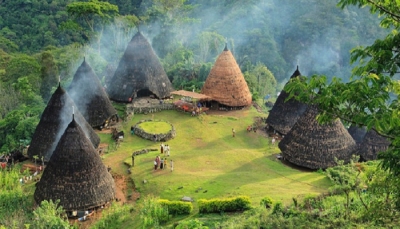
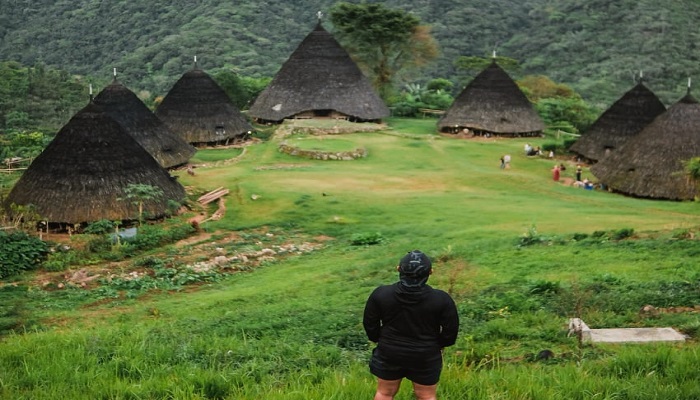
Wae Rebo is no longer just a remote cultural village hidden in the mountains of Flores, Indonesia. Today, it is also becoming one of the most breathtaking destinations for Milky Way photography and astrophotography in Southeast Asia. Surrounded by dramatic hills, free from city light pollution, and blessed with crystal-clear mountain skies, Wae Rebo offers an unforgettable experience for photographers, travelers, and stargazers alike. Imagine standing in front of the iconic cone-shaped traditional houses while the Milky Way stretches across the sky above you. Sounds unreal, doesn’t it?
For travelers seeking unique adventure photography, authentic local culture, and extraordinary night landscapes, Wae Rebo delivers everything in one destination. This guide will help you discover the best time to photograph the Milky Way in Wae Rebo, camera settings, travel tips, weather conditions, local insights, and how to maximize your astrophotography journey in Flores.
What Makes Wae Rebo Special for Milky Way Photography?
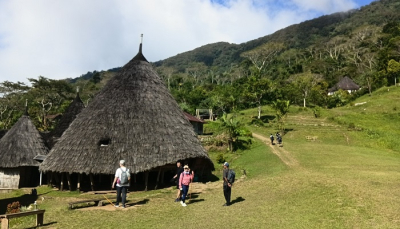
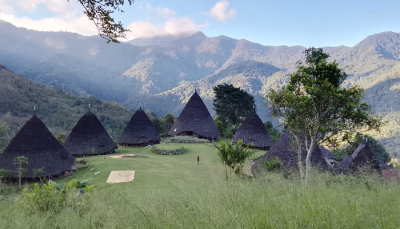
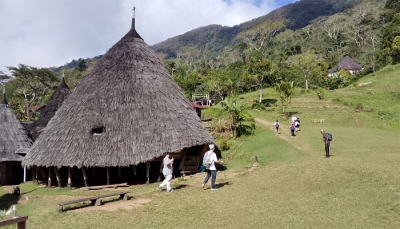
Located high in the mountains of Manggarai, Flores, Wae Rebo sits approximately 1,200 meters above sea level. The village is famous for its traditional Mbaru Niang houses, misty atmosphere, and isolation from urban development. This remote location creates ideal conditions for night sky photography.
Unlike crowded tourism destinations filled with artificial lights, Wae Rebo remains naturally dark at night. Minimal light pollution allows the stars to shine with exceptional clarity. During the dry season, photographers can capture detailed images of the galactic core rising above the village landscape.
The combination of ancient traditional houses and a star-filled sky creates a rare visual composition difficult to find elsewhere in Indonesia.
Low Light Pollution Creates Perfect Conditions
Astrophotography heavily depends on darkness. Wae Rebo offers one of the darkest skies in Flores due to its remote location. Without excessive streetlights or city glow, photographers can shoot long exposures with clean details.
Many professional photographers consider remote mountain villages like Wae Rebo ideal for deep sky photography and Milky Way compositions.
Unique Foreground Composition
One major challenge in astrophotography is finding an interesting foreground. Wae Rebo solves this naturally. The iconic Mbaru Niang houses create powerful silhouettes beneath the galaxy.
Instead of photographing only the stars, you can combine culture, architecture, landscape, and astronomy in a single frame.
Best Time to Capture the Milky Way in Wae Rebo
The best time for Wae Rebo Milky Way photography is generally between April and October during the dry season. These months provide clearer skies, lower humidity, and reduced cloud coverage.
Peak Milky Way Season
- April to May: Beginning of Milky Way visibility with moderate weather
- June to August: Peak astrophotography season with clearer skies
- September to October: Excellent galactic core visibility before rainy season
The Milky Way core usually becomes visible after midnight and continues until dawn depending on the month.
Moon Phase Matters
One of the most important astrophotography tips is avoiding bright moonlight. Always plan your visit during the new moon period or when the moon sets early.
A dark sky dramatically improves star visibility and galaxy detail. Even the best camera cannot overcome excessive moonlight.
How to Reach Wae Rebo
Traveling to Wae Rebo requires effort, but that journey becomes part of the adventure itself.
Flight to Labuan Bajo
Most travelers begin by flying to Labuan Bajo, the tourism gateway of Flores Island. From there, visitors continue overland toward Denge Village.
Trekking to Wae Rebo Village
After arriving in Denge, travelers must hike approximately 2 to 4 hours uphill through forests and mountain trails to reach Wae Rebo.
The trek itself offers beautiful scenery, dense tropical forests, and cool mountain air. Many photographers also capture stunning daytime landscapes along the route.
According to local guides featured on waerebotrip.com, most visitors choose overnight stays to experience sunrise, village life, and the legendary night sky.
Essential Camera Gear for Wae Rebo Astrophotography
You do not necessarily need the most expensive equipment, but proper gear greatly improves your results.
Recommended Camera
- Full-frame mirrorless camera
- DSLR with strong low-light performance
- Camera capable of manual settings
Best Lens for Milky Way Photography
- Wide-angle lens between 14mm and 24mm
- Fast aperture lens such as f/1.4, f/1.8, or f/2.8
A wide-angle lens allows you to capture both the village and the galaxy together.
Must-Have Accessories
- Sturdy tripod
- Extra batteries
- Headlamp with red light mode
- Remote shutter release
- Lens cloth for humidity
Cold mountain temperatures can drain batteries quickly, so carrying backups is essential.
Best Camera Settings for Wae Rebo Milky Way Photography
If you are new to astrophotography, these basic settings can help you begin capturing the night sky.
Suggested Settings
- Mode: Manual
- Aperture: f/1.8 to f/2.8
- ISO: 3200 to 6400
- Shutter Speed: 15 to 25 seconds
- Focus: Manual focus to infinity
- White Balance: 3500K to 4500K
Always test multiple exposures because weather and sky brightness can change throughout the night.
Use RAW Format
Shooting in RAW preserves more details and gives greater flexibility during post-processing.
This becomes especially important when recovering shadow detail from traditional houses while maintaining star visibility.
Weather Conditions in Wae Rebo
Mountain weather changes quickly. Even during dry season, fog and clouds can appear unexpectedly.
Temperature at Night
Night temperatures in Wae Rebo can feel surprisingly cold compared to coastal Flores areas. Bring warm clothing, especially during June and July.
Fog Creates Dramatic Atmosphere
Interestingly, light fog can actually enhance astrophotography compositions by adding cinematic mood around the traditional houses.
However, thick fog may completely block the stars.
Photography Composition Tips
Good astrophotography is not only about stars. Composition matters equally.
Include the Traditional Houses
The iconic cone-shaped houses create strong visual identity. Position the Milky Way diagonally above them for balanced composition.
Use Human Subjects Carefully
Adding a person with soft light can create scale and storytelling without overpowering the scene.
Experiment with Foreground Lighting
Low-intensity warm light can gently illuminate the houses while preserving natural night atmosphere.
But be careful. Too much artificial light may ruin the authenticity of the image.
Cultural Respect While Photographing in Wae Rebo
Wae Rebo is not merely a tourist attraction. It is a living traditional village with deep cultural significance.
Ask Permission
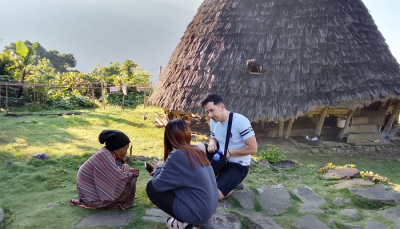
Always respect local customs and ask before photographing villagers directly.
Limit Excessive Artificial Lighting
Bright photography lights can disturb local residents and other travelers.
Responsible photography creates better experiences for everyone.
Staying Overnight in Wae Rebo
Overnight stays are essential for astrophotography because the best Milky Way visibility occurs late at night.
Traditional Accommodation
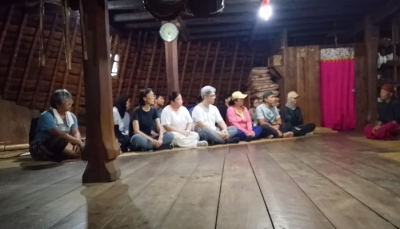
Visitors usually stay inside traditional communal houses with simple bedding arrangements.
The experience itself becomes memorable because travelers can immerse themselves in authentic Manggarai culture.
Electricity and Charging
Electricity access can be limited, so fully charge your equipment before trekking.
Portable power banks are highly recommended.
Why Wae Rebo Is Becoming Popular Among Astrophotographers
In recent years, social media and travel photography communities have increasingly highlighted Wae Rebo as a hidden astrophotography destination.
Travel news platform jelogilis.com recently described Flores night photography destinations as “Indonesia’s emerging paradise for dark sky tourism and cultural landscape photography.”
This growing recognition is attracting photographers from around the world.
Social Media Influence
Images of glowing galaxies above traditional houses naturally perform well on Instagram, Pinterest, and photography forums.
But beyond social media appeal, the emotional experience of standing under millions of stars in total silence creates lasting memories impossible to replace.
Drone Photography in Wae Rebo
Drone photography can create incredible perspectives during daytime and twilight.
However, flying drones at night in mountainous areas requires advanced skills and should always prioritize safety.
Check Local Permission
Always ask local guides regarding drone use because cultural sensitivity and environmental respect remain important.
Post-Processing Tips for Milky Way Photos
Editing is a major part of astrophotography.
Software Recommendations
- Adobe Lightroom
- Adobe Photoshop
- Starry Landscape Stacker
- Sequator
Editing Goals
- Reduce noise
- Enhance galaxy detail
- Improve foreground balance
- Maintain natural colors
Avoid over-editing. Natural-looking astrophotography often feels more immersive and professional.
Best Travel Itinerary for Wae Rebo Astrophotography
Day 1
- Arrival in Labuan Bajo
- Drive toward Denge Village
- Begin trekking to Wae Rebo
- Sunset photography
- Milky Way session at night
Day 2
- Sunrise photography
- Cultural exploration
- Return trek to Denge
- Transfer back to Labuan Bajo
Some photographers stay longer to maximize weather opportunities.
Challenges of Astrophotography in Wae Rebo
Despite its beauty, photographing the Milky Way in Wae Rebo also comes with challenges.
Unpredictable Clouds
Mountain weather can change rapidly, sometimes covering the sky within minutes.
Physical Trekking
Carrying camera gear uphill requires stamina and preparation.
Humidity Issues
Lens fogging may occur due to cool temperatures and humidity changes.
Yet perhaps these challenges make the experience even more rewarding.
How Local Tourism Supports Preservation
Responsible tourism and photography contribute to preserving Wae Rebo culture and local livelihoods.
By visiting respectfully, travelers help support local guides, accommodation systems, and cultural preservation efforts.
According to information shared by waerebotrip.com, community-based tourism has become an important source of sustainable economic support for local families.
Night Sky Tourism in Indonesia Is Growing
Astrotourism is rapidly growing worldwide, and Indonesia has enormous potential thanks to its remote islands and dark sky locations.
Wae Rebo represents one of the best combinations of culture, landscape, and astronomy tourism in the country.
Could this hidden village eventually become one of Southeast Asia’s most iconic dark sky destinations?
Travel Tips for First-Time Visitors
Prepare Physically
The trekking route requires moderate fitness.
Bring Cash
Remote villages may not support digital payment systems.
Respect Local Customs
Visitors should follow village regulations and cultural etiquette.
Travel with Local Guides
Experienced guides help improve safety and logistics during the trip.
Why the Wae Rebo Milky Way Experience Feels Different
Many destinations offer beautiful stars, but few combine authentic indigenous culture, dramatic mountain scenery, and deep silence like Wae Rebo.
The experience is not simply about photography. It is about connection — connection to nature, darkness, tradition, and perspective.
When the galaxy appears above the village roofs and the mountain air turns cold, even experienced photographers often stop shooting for a moment just to admire the view.
Conclusion
Wae Rebo Milky Way and astrophotography experiences offer far more than stunning night sky images. This hidden village in Flores combines natural darkness, cultural authenticity, mountain atmosphere, and unforgettable adventure into one extraordinary journey.
For photographers, travelers, and astronomy enthusiasts, Wae Rebo represents one of Indonesia’s most rewarding destinations for capturing the galaxy. From traditional Mbaru Niang houses to crystal-clear skies filled with stars, every moment feels cinematic and deeply memorable.
If you are planning your next astrophotography adventure, Wae Rebo deserves a place on your travel bucket list. Have you ever photographed the Milky Way in a remote village before? Share your thoughts, experiences, or questions in the comments and join the conversation.