
Waerebo-Trip-2D-1N-Waerebo-village
How Many Hours From Labuan Bajo to Wae Rebo
- account_circle admin
- calendar_month 2/05/2026
- visibility 44
- comment 0 komentar
- label Labuan bajo Waerebo
How Many Hours From Labuan Bajo to Wae Rebo? The Real Travel Time Most Tourists Don’t Expect
How many hours from Labuan Bajo to Wae Rebo? This is one of the first questions travelers ask before planning a trip to the famous traditional village hidden in the mountains of Flores, Indonesia. While many destinations can be reached by direct road access, Wae Rebo offers something completely different. The journey combines a scenic overland drive with a mountain trek through dense tropical forest, making the travel experience part of the adventure itself.
Most travelers are surprised that reaching Wae Rebo is not simply about distance. The route includes winding roads, remote villages, mountain terrain, and hiking trails that create a travel experience unlike anywhere else in Indonesia. Yet this effort is exactly what keeps Wae Rebo authentic, peaceful, and culturally preserved.
If you are planning a Flores adventure, understanding the real travel time from Labuan Bajo to Wae Rebo can help you organize your itinerary more efficiently while preparing for one of the most rewarding cultural journeys in East Nusa Tenggara.
How Many Hours From Labuan Bajo to Wae Rebo?
The total travel time from Labuan Bajo to Wae Rebo generally takes around 8 to 11 hours depending on transportation, weather, traffic, road conditions, and trekking speed.
The journey is divided into two major parts:
- Overland drive from Labuan Bajo to Denge Village: approximately 5 to 7 hours
- Trek from Denge Village to Wae Rebo: approximately 2 to 4 hours
For most travelers, the entire route is completed in one long travel day before staying overnight in Wae Rebo Village.
Why the Journey Takes Longer Than Expected
At first glance, the distance on a map may not seem extreme. However, Flores Island is famous for mountainous terrain and curving roads. Travel speed is naturally slower compared to highways in larger cities.
The route passes through:
- Coastal roads
- Mountain valleys
- Traditional villages
- Forest areas
- Steep trekking paths
This combination creates an immersive travel experience rather than a quick transfer. After all, isn’t the best part of travel sometimes the journey itself?
Starting Point: Labuan Bajo
Labuan Bajo is the primary tourism hub in western Flores and serves as the gateway to Komodo National Park. Most visitors begin their Wae Rebo journey here because the town offers:
- Hotels and accommodation
- Airport access
- Travel agencies
- Private drivers
- Tour packages
- Restaurants and supplies
Before leaving Labuan Bajo, many travelers purchase snacks, water, trekking supplies, and cash because facilities become more limited along the route.
The Overland Route From Labuan Bajo to Denge Village
Road Conditions
The drive from Labuan Bajo to Denge Village is scenic but demanding. Some sections are smooth, while others may include uneven mountain roads depending on weather and infrastructure updates.
The route offers incredible landscapes including:
- Rice fields
- Hillside villages
- Ocean views
- Forest scenery
- Mountain panoramas
Travelers often stop along the way for photographs and rest breaks.
Transportation Options
There are several ways to travel from Labuan Bajo to Denge:
- Private car with driver
- Shared transport
- Motorbike adventure trips
- Organized Wae Rebo tour packages
Private transport remains the most comfortable and time-efficient option for most international travelers.
Denge Village: The Gateway to Wae Rebo
Denge Village is the final road-access point before the trek begins. Here, travelers usually rest briefly, prepare hiking gear, and sometimes meet local trekking guides.
The atmosphere in Denge already feels very different from Labuan Bajo. The air becomes cooler, the environment greener, and the pace of life noticeably slower.
How Long Is the Trek From Denge to Wae Rebo?
The trekking duration from Denge to Wae Rebo typically takes between 2 and 4 hours depending on:
- Fitness level
- Weather conditions
- Number of breaks
- Trail conditions
- Group pace
The route climbs steadily through forest trails and mountain terrain.
Is the Trek Difficult?
The hike is considered moderate. Most healthy travelers can complete it successfully with proper pacing. You do not need advanced trekking experience, but preparation is important.
Useful items include:
- Trekking shoes
- Rain jacket
- Water bottle
- Small backpack
- Energy snacks
- Flashlight
What Makes the Trek Special?
Unlike crowded tourist trails, the path to Wae Rebo feels peaceful and natural. The sounds of birds, flowing water, and forest wind create a calming atmosphere.
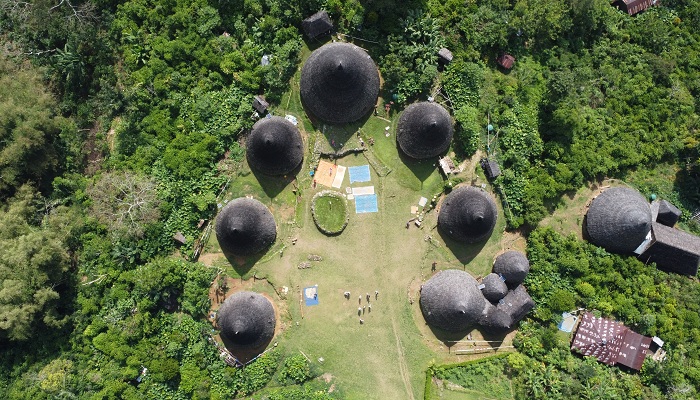
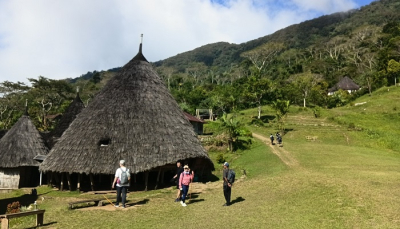
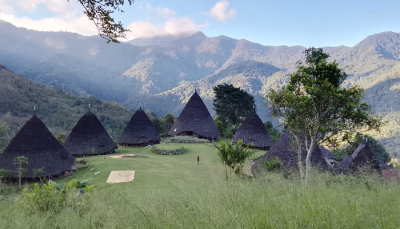
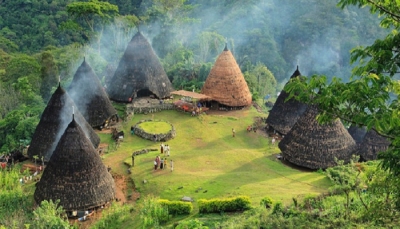
Many travelers say the emotional highlight comes near the end of the hike when the mist clears and the traditional cone-shaped houses of Wae Rebo suddenly appear in the mountains.
It is one of those rare travel moments that photographs cannot fully capture.
Best Time to Travel From Labuan Bajo to Wae Rebo
Dry Season
The dry season from April to October is generally the best period for visiting Wae Rebo because:
- Roads are more stable
- Trekking paths are safer
- Visibility is clearer
- Transportation is easier
Rainy Season
The rainy season offers dramatic scenery with heavy fog and lush green landscapes. However, roads and trekking routes may become slippery.
Some travelers actually prefer this mystical atmosphere because Wae Rebo becomes surrounded by clouds almost all day.
Should You Stay Overnight in Wae Rebo?
Yes, staying overnight is highly recommended. Most travelers who rush back the same day miss the true atmosphere of the village.
Overnight visitors can experience:
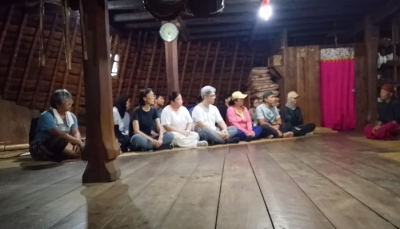
- Traditional ceremonies
- Sunrise mountain views
- Morning fog scenery
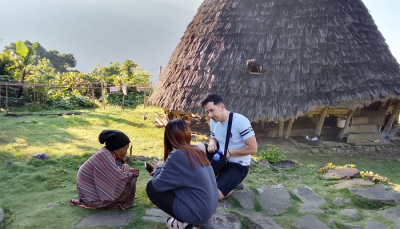
- Community interaction
- Traditional meals
At night, the village becomes incredibly peaceful. With minimal artificial light, the atmosphere feels authentic and deeply connected to nature.
The Cultural Importance of Wae Rebo
Wae Rebo is more than a tourism destination. It is a living cultural heritage village belonging to the Manggarai people of Flores.
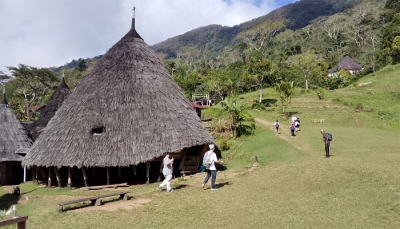
The iconic houses called Mbaru Niang represent generations of architectural tradition and communal living. Visitors are expected to respect local customs and village etiquette during their stay.
This cultural preservation is one reason Wae Rebo has gained international attention.
Useful Travel Planning Tips
Start Early
Leaving Labuan Bajo early in the morning helps avoid arriving too late for the trek.
Use Local Guides
Local guides not only improve navigation but also help travelers understand the cultural meaning behind the village and surrounding landscape.
Prepare Cash
Remote villages often have limited digital payment facilities.
Pack Light
A heavy backpack can make the uphill trek more tiring.
Tour Packages vs Independent Travel
Some travelers prefer independent trips, while others choose organized tours for convenience.
Travel resources such as waerebotrip.com provide practical information about trekking routes, transportation arrangements, and local travel services for visitors heading to Wae Rebo.
For first-time visitors to Flores, organized packages can simplify logistics significantly.
Food and Accommodation Along the Journey
Simple local meals are available during the route and in the village itself. Typical dishes include rice, vegetables, eggs, noodles, chicken, coffee, and local snacks.
Accommodation in Wae Rebo is communal and traditional rather than luxurious. Travelers sleep inside the famous cone-shaped houses together with other guests.
This simplicity becomes part of the cultural experience.
Internet and Mobile Signal in Wae Rebo
Internet access in Wae Rebo is very limited or unavailable depending on provider and weather conditions.
For many travelers, this becomes a refreshing digital break from constant notifications and social media activity.
When was the last time you spent a night completely disconnected from the online world?
Photography Opportunities During the Journey
The route from Labuan Bajo to Wae Rebo offers excellent photography opportunities.
- Mountain roads
- Traditional villages
- Misty forests
- Sunrise landscapes
- Cultural portraits
- Traditional architecture
Morning light in Wae Rebo is especially beautiful when fog moves between the houses.
Travel News and Regional Tourism Information
Regional tourism updates sometimes highlight Flores routes, cultural destinations, and infrastructure developments. Several local tourism stories and travel insights can be found through jelogilis.com, especially for travelers researching Flores overland adventures.
Checking updated transportation conditions before departure is always recommended for remote travel destinations.
Common Questions About Travel Time to Wae Rebo
Can You Visit Wae Rebo in One Day?
Technically yes, but it would be exhausting and would reduce the quality of the experience.
Is the Trek Safe?
Generally yes, especially with local guidance and proper preparation.
Do You Need a Guide?
While some experienced travelers hike independently, local guides are strongly recommended.
Can Children Join the Trek?
Many families successfully visit Wae Rebo, though parents should consider trekking difficulty and weather conditions.
Suggested Two-Day Itinerary
Day One
- Depart Labuan Bajo early morning
- Drive through Flores mountain roads
- Arrive in Denge Village
- Trek to Wae Rebo
- Village welcome ceremony
- Overnight stay
Day Two
- Sunrise photography
- Breakfast in village
- Trek back to Denge
- Return drive to Labuan Bajo
Why the Journey Is Worth It
Many destinations today are easy to access, crowded, and heavily commercialized. Wae Rebo remains different because reaching it requires patience and effort.
That effort creates a deeper appreciation once you arrive. The mountain silence, traditional architecture, cool air, and strong cultural identity make Wae Rebo one of the most meaningful experiences in Flores.
For many travelers, the long journey becomes one of their favorite memories in Indonesia.
Final Answer: How Many Hours From Labuan Bajo to Wae Rebo?
The total journey from Labuan Bajo to Wae Rebo usually takes between 8 and 11 hours, including both the overland drive to Denge Village and the mountain trek to Wae Rebo. Although the trip requires time and energy, it rewards travelers with one of Indonesia’s most authentic cultural and natural experiences.
If you have visited Wae Rebo or are planning your first trip, what part of the journey excites you the most? Share your thoughts, travel plans, or questions in the comments.

There are no comments yet