
Temperature at Waerebo Night
- account_circle admin
- calendar_month 9/05/2026
- visibility 44
- comment 0 komentar
- label Labuan bajo Tips Waerebo
Why Travelers Are Surprised by the Cold Mountain Air in Flores
Temperature at Waerebo night is one of the most unexpected experiences for travelers visiting Flores, Indonesia. Many visitors arrive expecting tropical island weather throughout their journey, only to discover that Waerebo becomes remarkably cold after sunset. Hidden high in the mountains of Manggarai, this traditional village transforms dramatically at night as mist rolls through the valleys and temperatures drop far below what most tourists anticipate. For photographers, hikers, backpackers, and cultural travelers, understanding Waerebo’s nighttime climate is essential before beginning the trek.
Unlike coastal destinations in Flores that remain warm and humid during the evening, Waerebo offers a cool mountain atmosphere due to its elevation of approximately 1,200 meters above sea level. This unique environment creates one of the most memorable overnight experiences in Indonesia. Imagine sitting inside a traditional Mbaru Niang house while cold mountain air surrounds the village and stars slowly appear above the hills. It feels more like a hidden highland retreat than a tropical island destination.
This guide explores the real temperature at Waerebo night, what causes the cold weather, how travelers should prepare, what clothes to bring, how weather changes during different seasons, and why the chilly atmosphere actually enhances the cultural experience.
Why Waerebo Feels Cold at Night
Many first-time visitors underestimate the temperature changes in Waerebo because Flores is generally associated with hot tropical weather. However, Waerebo’s location deep in the mountains creates a completely different climate compared to Labuan Bajo and coastal regions.
High Elevation Changes Everything
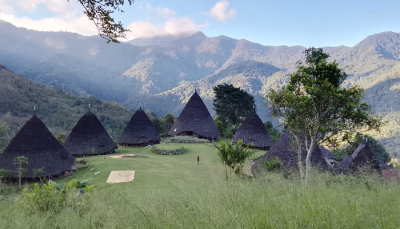
Waerebo sits high above sea level, surrounded by forests and mountain ridges. As elevation increases, temperatures naturally become cooler. During the daytime, sunlight keeps the village comfortable, but after sunset, mountain temperatures rapidly decline.
This shift becomes especially noticeable during the dry season when skies remain clear and heat escapes quickly at night.
Mountain Winds Increase the Cold Feeling
In addition to elevation, mountain winds flowing through the valley create an even colder sensation. Travelers often describe the nighttime air as fresh, humid, and surprisingly chilly.
Some visitors who only pack light tropical clothing end up borrowing blankets from local hosts because they underestimate the weather conditions.
Average Temperature at Waerebo Night
The average temperature at Waerebo night typically ranges between 12°C and 18°C depending on the season, cloud coverage, wind conditions, and rainfall patterns.
Dry Season Temperature
- June to August: Around 12°C to 15°C
- September to October: Around 14°C to 17°C
- April to May: Around 15°C to 18°C
These months often provide cooler and clearer nights because rainfall is lower and skies remain open.
Rainy Season Temperature
- November to March: Around 15°C to 18°C
Although rainy season temperatures can feel slightly warmer numerically, humidity and wet conditions may still create a cold sensation during nighttime.
How Cold Does Waerebo Actually Feel?
Interestingly, the “feeling” of cold in Waerebo often feels stronger than the temperature itself.
Travelers coming directly from hot coastal destinations like Labuan Bajo experience sudden climate contrast. After spending days under tropical heat, even 15°C can feel surprisingly cold.
Would you expect to wear a jacket in Flores? Most travelers do not — until they arrive in Waerebo.
The Role of Humidity
Humidity also contributes to the cooling effect. Mountain mist and moisture make the air feel colder, especially late at night and early morning.
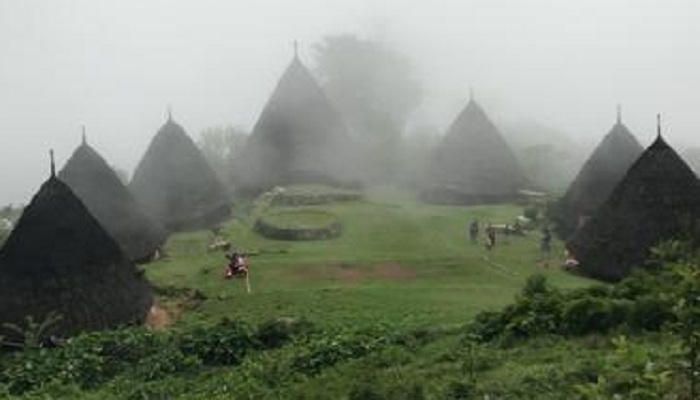
Fog frequently surrounds the village after sunset, creating a mystical atmosphere that many photographers and travelers love.
Best Clothing for Cold Nights in Waerebo
Packing correctly can significantly improve your overnight experience.
Essential Warm Clothing
- Light jacket or fleece
- Long pants
- Warm socks
- Beanie or hat
- Comfortable trekking shoes
Even lightweight thermal clothing can make a huge difference during colder months.
Layering Works Best
Since daytime temperatures remain comfortable, layering becomes the smartest strategy. Travelers can remove outer layers during hiking and wear them again after sunset.
This approach also helps reduce unnecessary luggage weight.
Why Cold Nights Make Waerebo More Beautiful
The cool temperature is not just a weather condition. It shapes the entire atmosphere of the village.
Mist Creates a Magical Ambience
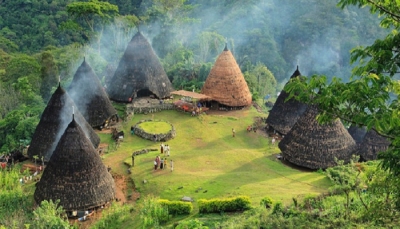
As temperatures drop, fog often moves between the traditional cone-shaped houses, creating cinematic scenery unlike anywhere else in Indonesia.
Many photographers intentionally stay overnight because the cold nighttime atmosphere adds emotional depth to their images.
Perfect Conditions for Stargazing
Cooler mountain air and minimal light pollution make Waerebo ideal for night sky photography and stargazing.
During clear dry season nights, visitors can witness thousands of visible stars above the village.
According to travel stories featured on jelogilis.com, some travelers describe the Waerebo night sky as “one of the most peaceful mountain experiences in Flores.”
Temperature Differences Between Day and Night
One of the unique characteristics of Waerebo is its dramatic temperature variation.
Warm Days
During daylight hours, temperatures often feel comfortable and mild. Trekking conditions remain pleasant because the mountain environment reduces excessive tropical heat.
Cold Evenings
Once the sun disappears behind the mountains, temperatures quickly decline. Travelers usually notice this transition shortly after sunset.
The village atmosphere changes entirely from warm and active to quiet, cold, and calm.
How Local Houses Handle Cold Temperatures
The traditional Mbaru Niang houses are designed specifically for mountain conditions.
Traditional Architecture Retains Warmth
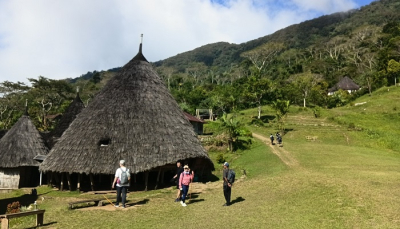
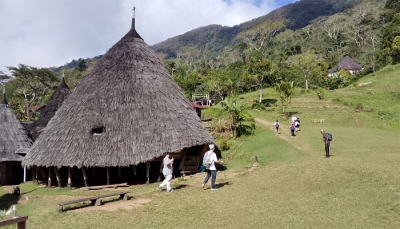
The cone-shaped structure helps preserve interior warmth during colder nights. Thick natural materials also provide insulation against mountain air.
This traditional engineering demonstrates how local communities adapted to the environment long before modern construction methods existed.
Communal Sleeping Arrangements
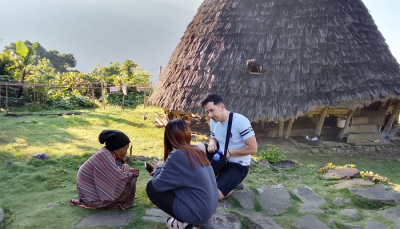
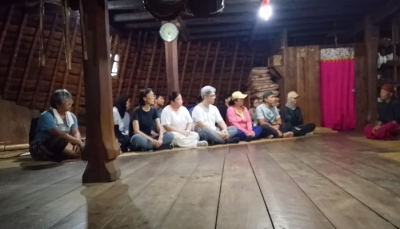
Guests usually sleep together inside the communal houses, which naturally creates warmer indoor temperatures.
Blankets are typically provided, but bringing additional warm layers is still recommended.
The Best Season to Experience Cold Nights in Waerebo
Different seasons create different nighttime experiences.
Dry Season Advantages
- Clearer skies
- Cooler temperatures
- Better visibility for photography
- Lower rainfall risk
These conditions make June through September especially popular among hikers and photographers.
Rainy Season Experience
The rainy season creates greener landscapes and thicker fog. Some travelers actually prefer this moodier atmosphere despite increased rain risk.
The village can feel quieter and more isolated during these months.
Preparing for Overnight Stays
Staying overnight in Waerebo requires preparation because facilities remain simple and traditional.
Electricity Can Be Limited
Cold weather combined with limited electricity means travelers should prepare power banks and flashlights.
Hot Drinks Become Essential
Warm coffee or tea becomes incredibly comforting after sunset in the mountains.
Many travelers remember these quiet nighttime moments as highlights of their Flores journey.
How Trekking Conditions Affect Night Temperature
The trekking journey to Waerebo also influences how visitors experience the cold.
Sweat and Cooling Temperatures
After hiking uphill for several hours, body temperatures remain elevated. Once travelers stop moving and the night air arrives, the cold feels much stronger.
Changing into dry clothing immediately after arrival helps maintain comfort.
Wind Exposure
Open mountain areas around the village can feel windy at night. Sitting outside too long without warm layers may become uncomfortable.
Photography Opportunities During Cold Nights
The low nighttime temperatures actually create ideal conditions for photographers.
Milky Way Photography
Cooler air often means clearer skies during the dry season. Astrophotographers frequently visit Waerebo to capture the Milky Way above traditional houses.
Morning Fog Photography
Cold nighttime conditions also produce dramatic morning mist at sunrise.
Photographers who wake early often capture stunning scenes as clouds move between the village rooftops.
Local Tourism and Traveler Experiences
Many travelers initially worry about the cold but later describe it as one of the most memorable aspects of Waerebo.
Information shared on waerebotrip.com explains that overnight village experiences allow visitors to fully appreciate the peaceful mountain atmosphere and authentic Manggarai hospitality.
The combination of cold weather, silence, and traditional architecture creates emotional experiences difficult to replicate elsewhere.
Health Tips for Cold Mountain Nights
Travelers should prepare physically before trekking to Waerebo.
Stay Hydrated
Cool weather sometimes reduces thirst sensation, but hydration remains important during hiking.
Avoid Wearing Wet Clothes
Wet clothing combined with cold temperatures may increase discomfort significantly.
Bring Basic Medication
Cold mountain air can occasionally trigger headaches or mild flu symptoms in sensitive travelers.
Comparing Waerebo to Other Flores Destinations
Most destinations in Flores remain warm even at night, making Waerebo unique.
Labuan Bajo
Coastal Labuan Bajo stays relatively warm and humid throughout the evening.
Bajawa and Ruteng
Other highland regions in Flores also experience cool temperatures, but Waerebo’s remote mountain setting creates a more immersive atmosphere.
Why Travelers Keep Talking About Waerebo Nights
When people describe Waerebo, they rarely focus only on the trekking or architecture. Many conversations eventually return to the nighttime atmosphere.
The silence feels deeper. The stars appear brighter. The cold air feels cleaner. In a world dominated by noise and city lights, these simple experiences become surprisingly powerful.
Could that combination of cold mountain air and traditional village life be the real reason Waerebo feels unforgettable?
Tips for First-Time Visitors
Pack More Warm Clothing Than Expected
Most travelers regret bringing too little warm clothing rather than too much.
Arrive Before Sunset
Reaching the village before dark allows time to settle in comfortably.
Bring a Small Towel
Mountain humidity can create moisture on equipment and clothing.
Respect Local Customs
Waerebo remains an active traditional village, not merely a tourism attraction.
The Emotional Experience of Cold Nights in Waerebo
Beyond the actual temperature, Waerebo nights create emotional impact through atmosphere and simplicity.
There are fewer distractions, fewer sounds, and fewer artificial lights. Travelers often spend more time talking, reflecting, or simply observing the stars.
The cold weather encourages people to gather together inside the traditional houses, reinforcing the communal experience that defines village life.
Conclusion
Temperature at Waerebo night is one of the most distinctive aspects of visiting this legendary mountain village in Flores. While many travelers expect tropical warmth, they instead discover refreshing cold air, misty mountain evenings, and peaceful silence unlike anywhere else in Indonesia.
From cool temperatures between 12°C and 18°C to breathtaking foggy mornings and clear stargazing opportunities, Waerebo’s nighttime climate becomes part of the adventure itself. Proper preparation with warm clothing and thoughtful planning ensures a more comfortable and memorable stay.
For travelers seeking authenticity, mountain atmosphere, and unforgettable cultural experiences, the cold nights of Waerebo offer something truly special. Have you experienced unexpectedly cold weather during a tropical island trip before? Share your thoughts, travel stories, or questions in the comments and join the discussion.

There are no comments yet