
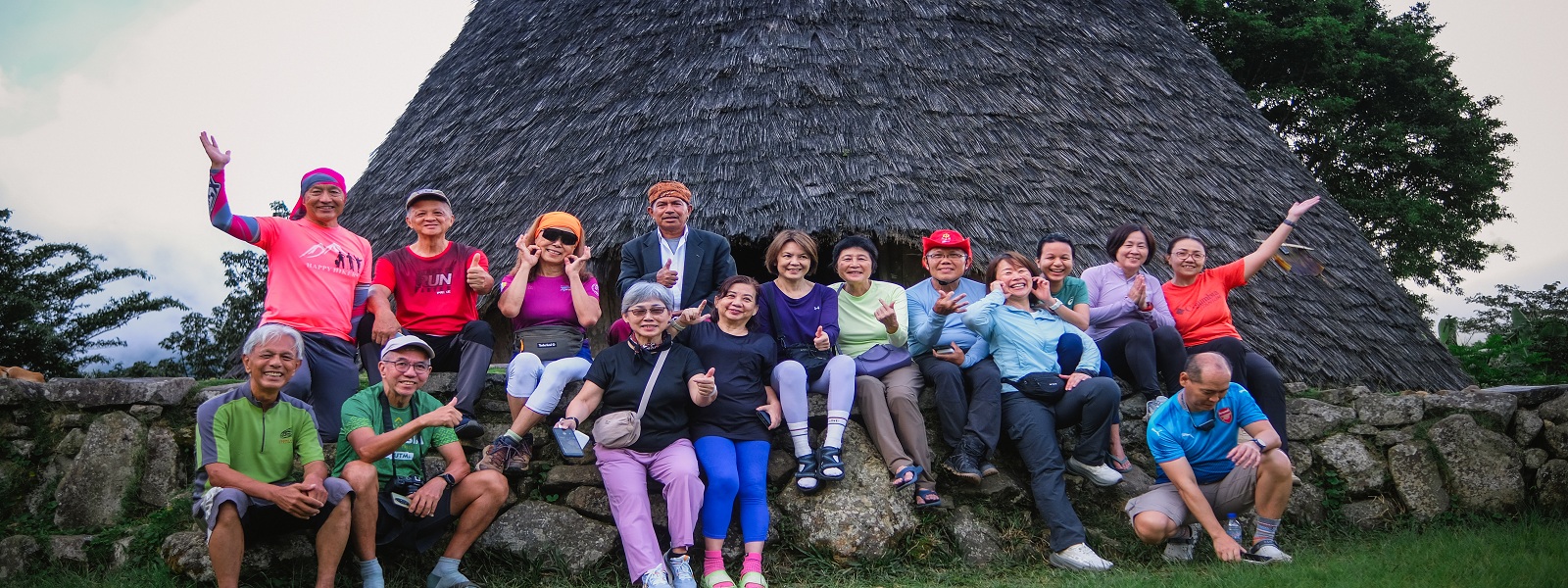
Where is Waerebo village located
- account_circle admin
- calendar_month 29/04/2026
- visibility 46
- comment 0 komentar
- label Waerebo

Where Is Waerebo Village Located? Discover the Hidden Cloud Village of Flores That Travelers Can’t Stop Talking About
Where is Waerebo village located? This is one of the most common questions asked by travelers planning a journey through Flores, Indonesia. Hidden high in the mountains of Manggarai Regency, Waerebo Village is one of the most remarkable traditional villages in Southeast Asia. Surrounded by forested hills, misty valleys, and cool mountain air, Waerebo offers a rare opportunity to experience authentic local culture while stepping into a landscape that feels almost untouched by time.
Unlike crowded tourist attractions, Waerebo is not reached by car directly. Visitors must hike through scenic mountain trails before arriving at a cluster of iconic cone-shaped traditional houses known as Mbaru Niang. The journey itself is part of the experience. How often do you get to walk through clouds before entering a living heritage village?
Where Exactly Is Waerebo Village Located?
Waerebo Village is located in the highlands of West Flores, in Manggarai Regency, East Nusa Tenggara Province, Indonesia. It lies approximately 1,100 meters above sea level, deep within the mountains near the southern area of Flores Island.
The nearest gateway town is Labuan Bajo, famous as the entrance to Komodo National Park. From Labuan Bajo, travelers usually drive for several hours to Denge Village, which serves as the starting point for the trek to Waerebo.
- Country: Indonesia
- Island: Flores
- Province: East Nusa Tenggara
- Regency: Manggarai
- Nearest Main Town: Labuan Bajo
- Nearest Trekking Base: Denge Village
This remote location is exactly why Waerebo remains special. It is preserved by geography, culture, and community traditions.
Why Waerebo Village Is So Famous
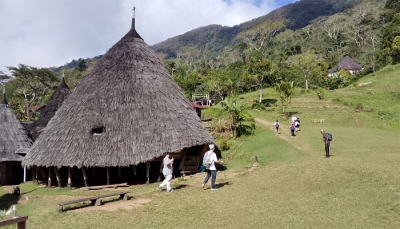
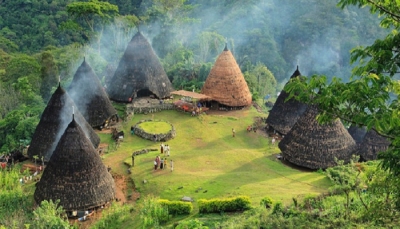
Waerebo is known for its seven traditional circular houses with towering cone-shaped roofs. These houses are not museum replicas. They are real homes used by the local Manggarai people, making Waerebo a living cultural village rather than a staged tourist site.
The village gained international recognition for preserving traditional architecture and indigenous heritage. Travelers visit not only for photographs, but to understand a way of life built on respect for ancestors, nature, and community cooperation.
Many visitors describe arriving in Waerebo as emotional. After hours of trekking, the mist opens, and suddenly the famous houses appear in a mountain clearing. It is a memorable moment few destinations can match.
How to Get to Waerebo Village
From Labuan Bajo
Most travelers begin in Labuan Bajo. The overland journey to Denge Village typically takes 5 to 7 hours depending on road conditions, weather, and transport type.
- Private car with driver
- Shared transport (limited availability)
- Tour package including guide
From Denge to Waerebo
After reaching Denge, visitors continue with a mountain trek of around 2 to 4 hours depending on pace and fitness level. The path includes forest trails, elevation gain, rest points, and scenic viewpoints.
For practical routes and local guidance, many travelers use village-based trip services such as waerebotrip.com, which shares transportation options, trekking information, and visitor logistics.
What the Trek to Waerebo Is Like
The hike to Waerebo is moderate and manageable for most healthy travelers with reasonable fitness. You do not need to be an athlete, but you should be prepared for uphill walking.
- Bring water
- Wear proper trekking shoes
- Carry a light rain jacket
- Use a small backpack
- Start early when possible
The route passes through tropical forest, birdsong-filled hills, and mountain viewpoints. Along the way, the temperature becomes cooler as you climb higher.
Best Time to Visit Waerebo Village
The dry season between April and October is generally considered the best time to visit. Trails are easier, skies are clearer, and transportation is more reliable.
However, the rainy season also has beauty. Waerebo often becomes wrapped in dramatic fog and greener landscapes. If you enjoy atmosphere and mystery, this can be a magical time to visit.
What Makes the Traditional Houses Unique?
The famous Mbaru Niang houses are multi-level communal structures with circular bases and tall conical roofs made from natural materials. Each level traditionally had a specific purpose, such as living space, storage, or ceremonial function.
The design reflects environmental intelligence. The structures handle mountain weather while creating warmth and efficient use of space.
Architects and cultural researchers frequently cite Waerebo as an example of sustainable indigenous design.
Cultural Etiquette Every Visitor Should Respect
Waerebo is not a theme park. It is a real community. Visitors are welcomed warmly, but respect is essential.
- Follow local instructions during arrival ceremonies
- Dress modestly
- Ask permission before photographing people
- Keep noise low
- Respect sacred areas and customs
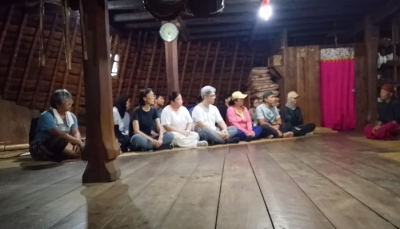
Many guests are invited to join a welcome ritual before staying overnight. This is a meaningful tradition and should be approached sincerely.
Can You Stay Overnight in Waerebo?
Yes. Many travelers choose to stay overnight because sunrise and early morning fog create unforgettable scenery. Sleeping in a traditional house also offers a deeper cultural experience.
Basic village accommodation usually includes:
- Shared sleeping space
- Simple bedding
- Traditional meals
- Tea or coffee
- Community interaction
If you only visit for the day, you miss the atmosphere after sunset when the village becomes peaceful and the mountain air turns cold.
Food in Waerebo Village
Meals are simple, fresh, and filling. Visitors often enjoy rice, vegetables, eggs, chicken, coffee, and seasonal produce depending on availability.
Food here is less about luxury and more about connection. Eating together in a traditional house becomes part of the travel memory.
Photography Tips for Waerebo
Waerebo is one of the most photogenic places in Indonesia, but timing matters.
- Morning mist creates dramatic scenes
- Late afternoon gives softer light
- Wide-angle lenses help capture the village layout
- Portraits should always be respectful and permission-based
Sometimes the best image is not a photo at all, but the memory of standing quietly in the clouds.
Why Waerebo Matters Beyond Tourism
Waerebo represents cultural resilience. Across the world, many traditional communities face pressure from modernization, migration, and changing lifestyles. Waerebo shows that heritage can survive when communities remain empowered.
Responsible tourism can support preservation through local income, awareness, and pride—when managed carefully and respectfully.
Useful Travel Costs to Expect
Costs vary depending on season and transport style, but common expenses include:
- Transport from Labuan Bajo
- Guide or driver
- Village contribution fees
- Meals and overnight stay
- Tips and personal items
Many travelers prefer package arrangements for convenience, especially with limited time.
Trusted Travel Notes and Route Updates
Regional travel writers occasionally highlight Flores destinations and route developments. Some local tourism updates and visitor stories can be found through sources such as , especially when researching overland Flores travel ideas.
Combining multiple trusted sources before departure is always wise, especially for remote destinations where schedules and road conditions may change.
Common Questions About Waerebo Location
Is Waerebo near Komodo Island?
No. Waerebo is on Flores Island, while Komodo Island is part of Komodo National Park. Many travelers combine both destinations in one trip.
How far is Waerebo from Labuan Bajo?
Usually a full overland travel day including driving and trekking.
Is Waerebo difficult to reach?
It requires effort, but that effort is part of what makes the destination rewarding.
Can beginners do the trek?
Yes, many first-time trekkers complete it successfully with breaks and proper pacing.
Suggested 2-Day Waerebo Itinerary
Day 1
- Depart Labuan Bajo early morning
- Drive to Denge
- Trek to Waerebo
- Village ceremony and overnight stay
Day 2
- Sunrise photography
- Breakfast in village
- Trek back to Denge
- Return to Labuan Bajo
Final Answer: Where Is Waerebo Village Located?
Waerebo Village is located in the mountain highlands of Manggarai Regency, West Flores, East Nusa Tenggara, Indonesia. Reached by road from Labuan Bajo and a scenic trek from Denge Village, it is one of Indonesia’s most extraordinary cultural destinations. More than a place on the map, Waerebo is a living heritage village where architecture, tradition, and nature exist in rare harmony.
Would you hike through the mountains to sleep in a village above the clouds? Share your thoughts, questions, or travel plans in the comments.

There are no comments yet