
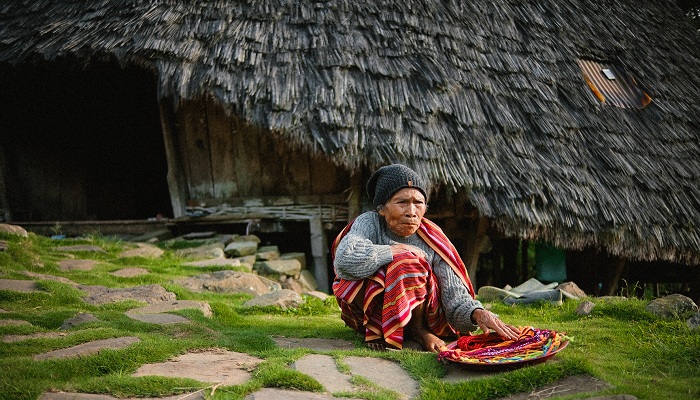
Waerebo Village Flores Indonesia
- account_circle admin
- calendar_month 28/04/2026
- visibility 44
- comment 0 komentar
- label Labuan bajo Tips Waerebo
Waerebo Village Flores Indonesia
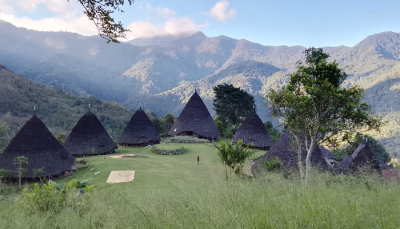
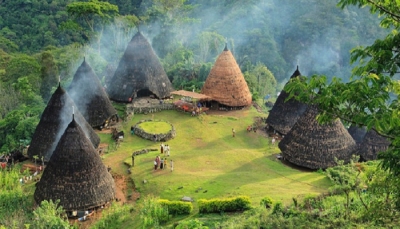
The Waerebo tourist village is located in Satar Lenda Village, West Satar Mese District, directly bordering the Komodo National Park. Situated approximately 1,100 meters above sea level, Waerebo is a remote village surrounded by mountains and lush tropical forest scenery in Manggarai Regency, Flores Island. Waerebo has now developed into a popular ecotourism destination. In August 2012, the Waerebo traditional village received the Award of Excellence, the highest honor at the 2012 UNESCO Asia-Pacific Awards for Heritage Conservation in Bangkok.
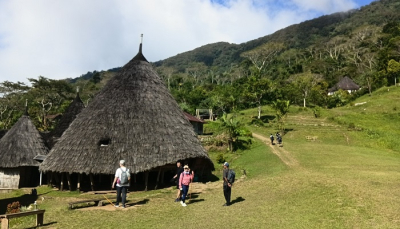
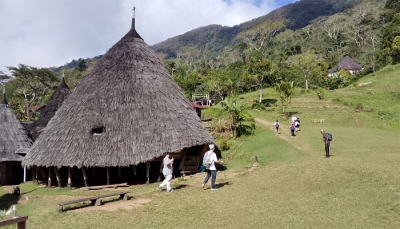
The Waerebo traditional village, often referred to as heaven above the clouds, offers natural beauty and unique cone-shaped traditional house architecture, called Mbaru Niang in the local language.
The history of tourism development in Waerebo.
For the record, the first foreign tourists to arrive in Waerebo were Simon and Claus from America and New Zealand
in 1984. Ten years later, Matsuda Shuikhi (a Japanese photographer) visited Waerebo in 1994. After Catherine Allerton (a British anthropologist) began publishing her research on Waerebo, several visitors began to visit.
In 1998, the Waerebo traditional village received funding from the Manggarai Regional Government to renovate two mbaru niang (traditional wooden houses).
In 2005, the Sunda Trail tourism agency in Lombok helped promote and bring tourists to Waerebo. Martin Anggo, a Waerebo resident, began urging his community to generate additional income from tourism.
In late 2005, Martin Anggo was invited to a regional ecotourism workshop held by Indecon in Mataram.
In 2006, Ary Suhandi, Director of INDECON, and the Ecosea team, who had previously assisted the Tado residents, visited and met with the Waerebo residents, reaching several agreements,
including the establishment of a National Tourism and Recreation Agency (LPBW) and collaboration between the Waerebo and Tado residents to identify the natural energy sources and culture found in Waerebo.
In 2007, with support from UNESCO, National Geographic Traveler covered and produced a story about the Waerebo traditional village, which became the first publication for Waerebo.
In 2007, UNESCO collaborated with the NGO Burung Indonesia to provide support, including clean water and excellent tourism services.
In 2008, based on Indecon data, Swiss Contact assisted in promotion by organizing visits by guides and expedition agencies from Labuan Bajo to Waerebo.
In 2008, Yori Antar and a group of Jakarta architects visited Waerebo and were impressed and committed to reconstructing and preserving it, especially the Mbaru Niang, which had begun to fade due to age. In a joint statement, the Waerebo community, Indecon, and Ecosea agreed to undertake documented revitalization efforts. This effort was coordinated by Yori Antar, and the construction was carried out entirely by the community in accordance with Waerebo customs.
Since then, the Rumah Asuh Foundation, led by Yori Antar, has been a permanent partner of LPBW, helping preserve Waerebo traditional houses, including fundraising and constructing several traditional houses. Some of the parties who have supported through Yori Antar include the Danone industry, Bunda Hatta Rajasa, Arifin Panigoro, Laksamana Sukardi, and the Department of Education and Culture. Furthermore, the Rumah Asuh Foundation partner group, along with LPBW, built a guest house for tourists.
From 2013 to 2016, the INFEST (Innovative Flores Indigenous Ecotourism for Sustainable Trade) Program, initiated by Indecon with funding from the European Union, has
supported the capacity development of local residents in institutions, management systems, administration, tourism services, and local food-based souvenirs.
Tourism Activities
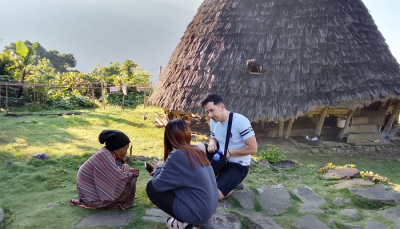
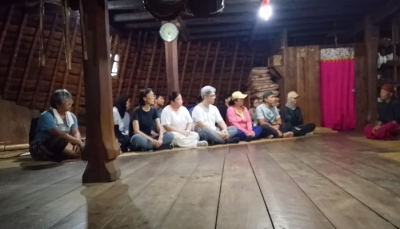
When tourists visit Waerebo, they engage in various activities, such as interacting with the village community, living with villagers for one to two days, learning about the customs and lifestyle of the Waerebo people, and observing important cultural performances. Furthermore, Waerebo offers a scenic tour with its equally captivating natural scenery, offering visitors the opportunity to see the beauty of local flora and fauna, as well as hunting (pictured) birds endemic to Flores Island in the conservation forest.
Facilities
Waerebo has several facilities to support tourist activities, including four public restrooms and a guard post that sells tickets and provides information on the rules and regulations for tourists in the Waerebo Traditional Village. The water comes directly from the spring, which is odorless and has a fresh taste. Waerebo Village also offers homestays, called Mbaru Niang, which remain unchanged in form and function from everything else inside the Mbaru Niang.
Accessibility
Access to Waerebo
You can reach Waerebo by motorized vehicle, car, or travel agency. The route to Waerebo is: Labuan Bajo-Ruteng-Dintor-Waerebo. Denge is the last village accessible by motorized vehicle. To reach Waerebo, tourists must walk, taking approximately 2 hours.
Management
The Waerebo Traditional Village has been managed by the Waerebo Cultural Preservation Institute (LPBW) since 2007 and was established in 2012.
LPBW consists of:
- 8 advisors (Elders/Customary Council from 8 generations)
- 1 assistant
- Core Management: Leader (1), Deputy (1), Secretary (1), Treasurer (2)
- Supervisors: Leader (1), Deputy (1), Members (3)
Section Leaders (8)
- Employees: Accountants (3)
- Traditional Elders Group (10)
- Daily Guest House Manager (5)
- Women’s Cooking Group (76)
- Cultural Group (36)
In 2021, Waerebo received the Tourism Village Award for the Tourism Attraction category. by the Indonesian Ministry of Tourism and Creative Economy.
Awards Won by Waerebo Tourism Village:
- World Cultural Heritage (UNESCO 2012)
- Green Tourism Village (Ministry of Tourism and Creative Economy)
- Indonesian Sustainable Tourism Award (ISTA 2018)
- Tourism Village Award (ADWI 2021) for Attraction Type
- ASSEAN Community-Based Tourism 2023
———————
The Waerebo Tourist Village is Located in Satar Lenda Village
The Waerebo Tourist Village is Located in Satar Lenda Village – Discover the Hidden “Heaven Above the Clouds” in Flores
The Waerebo tourist village is located in Satar Lenda Village, West Satar Mese District, directly bordering the Komodo National Park. Situated approximately 1,100 meters above sea level, Waerebo is a remote village surrounded by mountains and lush tropical forest scenery in Manggarai Regency, Flores Island. Known as the “heaven above the clouds,” this extraordinary destination offers a rare blend of natural beauty, cultural authenticity, and sustainable tourism. Recognized globally, Waerebo received the Award of Excellence at the UNESCO Asia-Pacific Awards for Heritage Conservation in 2012. But what truly makes Waerebo unforgettable? Let’s explore deeply.
The Unique Identity of Waerebo Village
Waerebo is not just a destination—it is a living cultural heritage. The village is famous for its iconic cone-shaped traditional houses called Mbaru Niang. These structures symbolize unity, spirituality, and harmony between humans and nature.
Mbaru Niang Architecture
- Built entirely from natural materials
- Designed to withstand mountain weather
- Multi-level interior for family and storage
- Deep philosophical meaning tied to ancestry
Each house reflects generations of knowledge passed down orally. Imagine staying overnight in one—no WiFi distractions, just connection with people and nature.
The History of Tourism Development in Waerebo
The journey of Waerebo becoming a global ecotourism destination is both organic and inspiring.
- 1984: First foreign tourists, Simon and Claus, visited
- 1994: Japanese photographer Matsuda Shuikhi documented Waerebo
- Late 1990s: Academic research increased global awareness
- 2005–2006: Ecotourism initiatives and community empowerment began
- 2007: UNESCO and National Geographic featured Waerebo
- 2008: Revitalization of Mbaru Niang led by Yori Antar
- 2013–2016: EU-funded programs improved local capacity
According to Wikipedia: “Waerebo is a traditional village in Flores known for its preservation of Manggarai culture and architecture.” This recognition significantly boosted global interest.
Why Waerebo Became a Global Ecotourism Destination
Waerebo’s success lies in its balance between tourism and preservation. The community actively manages tourism through LPBW (Waerebo Cultural Preservation Institute).
Key Factors
- Strong community involvement
- Support from UNESCO and NGOs
- Authentic, untouched environment
- Clear tourism regulations
Interested in exploring more routes around Flores? Visit jelogilis.com for extended travel inspiration.
Tourism Activities in Waerebo
When visiting Waerebo, travelers engage in immersive and meaningful experiences.
Popular Activities
- Trekking through tropical forests (2–3 hours)
- Staying overnight in Mbaru Niang
- Participating in traditional ceremonies
- Learning local cooking and weaving
- Exploring flora and fauna
Ever wondered what it feels like to live like a local, even for just one night?
Facilities Available in Waerebo
- Traditional homestays (Mbaru Niang)
- Clean water from natural springs
- Public restrooms
- Information center and ticket post
Despite its remote location, Waerebo ensures essential comfort while maintaining authenticity.
Accessibility and Travel Route
Getting to Waerebo requires effort—but that’s part of the adventure.
Route
- Labuan Bajo → Ruteng → Dintor → Denge
- Trekking from Denge to Waerebo (2–3 hours)
Use tools like Google Maps and offline apps such as Maps.me for navigation. Weather apps can also help you plan trekking safely.
For guided tours and logistics, check trusted sources like jelogilis.com for curated travel packages.
Management and Community Structure
Waerebo is managed by LPBW, ensuring tourism benefits the local community.
- Advisors: Traditional elders
- Core management team
- Women’s cooking group (76 members)
- Cultural group (36 members)
This structure ensures sustainability and fairness in tourism operations.
Awards and Global Recognition
- UNESCO Award of Excellence (2012)
- Indonesian Sustainable Tourism Award (2018)
- Tourism Village Award (2021)
- ASEAN Community-Based Tourism Award (2023)
These recognitions prove Waerebo is not just beautiful—but also responsibly managed.
Practical Travel Tips for Modern Travelers
Before You Go
- Download offline maps
- Bring cash (no ATM)
- Pack light but essential gear
During Your Visit
- Respect local customs
- Ask before taking photos
- Participate actively in activities
Technology Tips
- Use translation apps for communication
- Bring power banks
- Use GPS tracking apps for trekking
Conclusion: A Journey Beyond Travel
Waerebo is more than a destination—it is a journey into culture, history, and humanity. From its breathtaking mountain setting to its deeply rooted traditions, every moment spent here is meaningful. As tourism grows, the village stands as a model for sustainable and community-based travel.
Would you choose comfort or authenticity for your next adventure? Share your thoughts and let us know—have you ever experienced a place like Waerebo?

There are no comments yet